Thinking about Mammoth Lakes in February and wondering if it’s worth the drive?
Worried you’ll turn up to icy roads, brutal cold, and lift queues longer than the M25 at rush hour?
Fair questions.
I’ve made the winter pilgrimage up US-395 more times than I can count, and February is the month I keep coming back to.
Here’s why — and here’s everything you need to know before you go.
Why February Is Mammoth’s Worst-Kept Secret
February sits smack in the middle of the Eastern Sierra winter.
The snowpack is well established, the storms keep rolling in, and the whole town runs on what locals call “powder fever“.
The numbers back it up.
Between December and February, Mammoth gets hammered with roughly 206 inches of snow — that’s over five metres across three months.
Winter temperatures typically sit between 18°F and 42°F (-8°C to 5°C), which sounds grim until you realise cold air is exactly what keeps that snow light and dry.
So why February specifically?
– The base is deep. Early-season rock dodging is long gone.
– Storms are still active. Fresh powder days are genuinely common.
– The atmosphere is electric. When a storm shows up on the forecast, the whole town buzzes.
The trade-off?
It’s busier and pricier than the quiet autumn shoulder season.
But if snow is your priority, autumn simply can’t compete.
Key takeaway: February is peak snow, peak atmosphere, peak everything. Just don’t expect it cheap or quiet.
The Weather Truth Nobody Tells You Before Booking
Let’s talk cold, because this catches people out.
Average February highs hover around 36–39°F (2–4°C), with overnight lows dropping to about 18°F (-7°C).
Here’s the stat that matters: roughly 28 days of the month dip below freezing.
That’s 97% of February.
The record low sits around -11°F (-24°C), so “pack warm” isn’t a suggestion — it’s survival advice.
Now the snow.
– One dataset shows around 30 inches (75 cm) of snowfall across ~11 snowy days in February.
– Monthly precipitation typically lands between 70–104 mm, depending on which climate source you trust.
– On any given day, there’s roughly a 19% chance of rain or snow.
And sunshine?
This surprises people.
Despite the storms, February averages about 8 hours of bright sunshine per day — around 70% of daylight hours.
Cloud cover runs at about 47% of the time, with the clearest skies early in the month.
Days stretch from roughly 10 hours 21 minutes to 11 hours 20 minutes by month’s end, with sunrise around 6:45am and sunset near 5:35pm.
Translation: you get proper storm cycles and proper bluebird days.
That’s the February magic.
Winds average around 15 km/h, so it’s breezy rather than brutal, though it feels sharper in town when the temperature is already below zero.
Key takeaway: Cold, snowy, and surprisingly sunny. Pack for -10°C and you’ll be grinning while everyone else shivers.
The Drive That Ruins Trips (And How to Not Be That Person)
Here’s the part most guides gloss over.
Getting to Mammoth in February can be dead easy or genuinely hairy — and the difference usually comes down to what the weather did in the five days before you arrive.
The main route is US-395, and in winter you should treat it with respect:
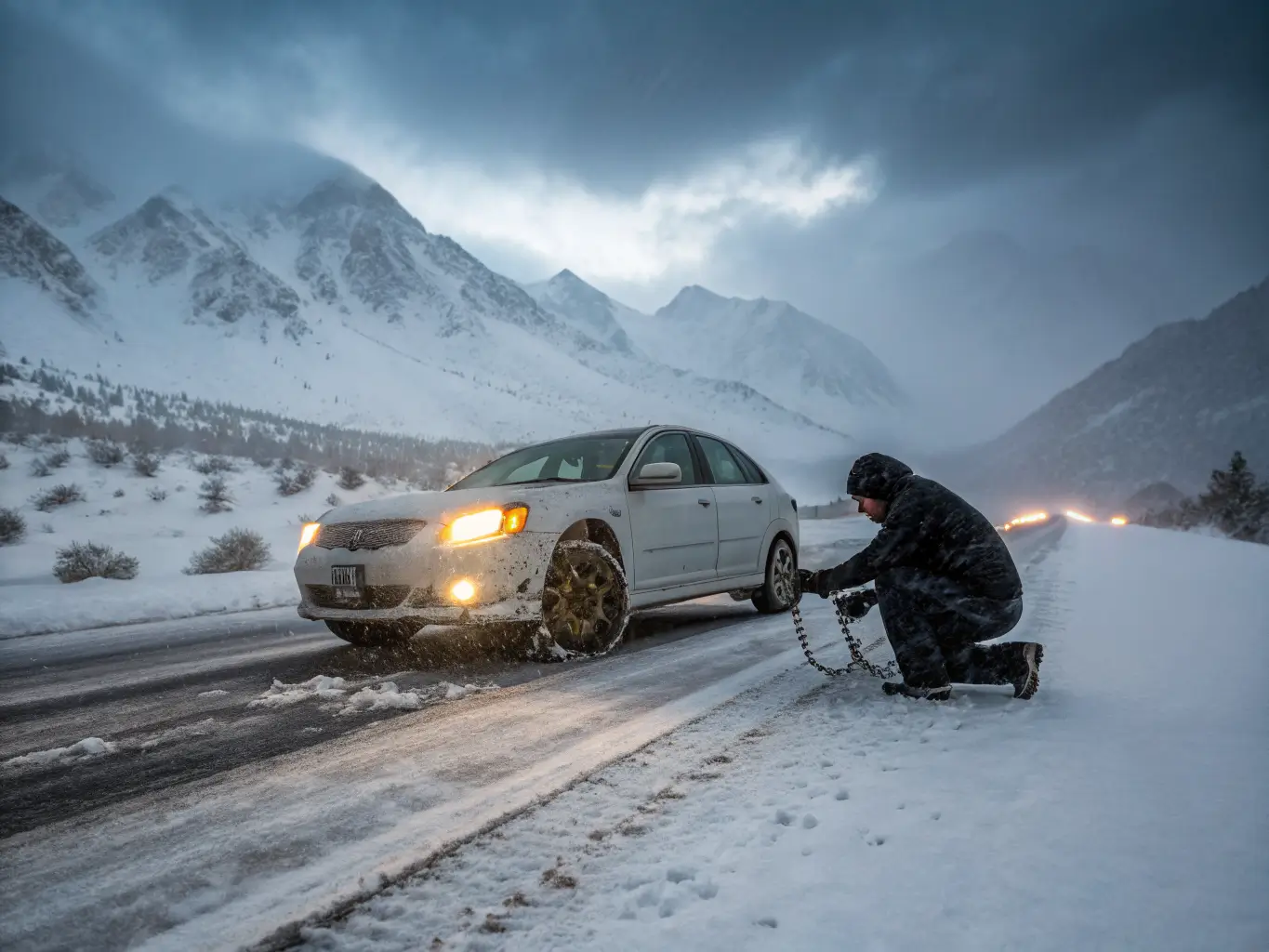
– Always carry chains. Chain controls pop up fast during snow events, and Caltrans doesn’t care about your dinner reservation.
– Check conditions before you leave. Forecasts five days out will tell you what kind of drive you’re in for.
– Watch for black ice. Especially early morning and after sunset.
– Build in buffer time. Storms don’t follow your itinerary.
If driving isn’t your thing, Mammoth Yosemite Airport runs seasonal flights with connections from major cities, which sidesteps the road roulette entirely.
Quick personal story.
A few Februarys back, I ignored my own advice and drove up the day after a big storm cycle, chains buried somewhere under my ski bag.
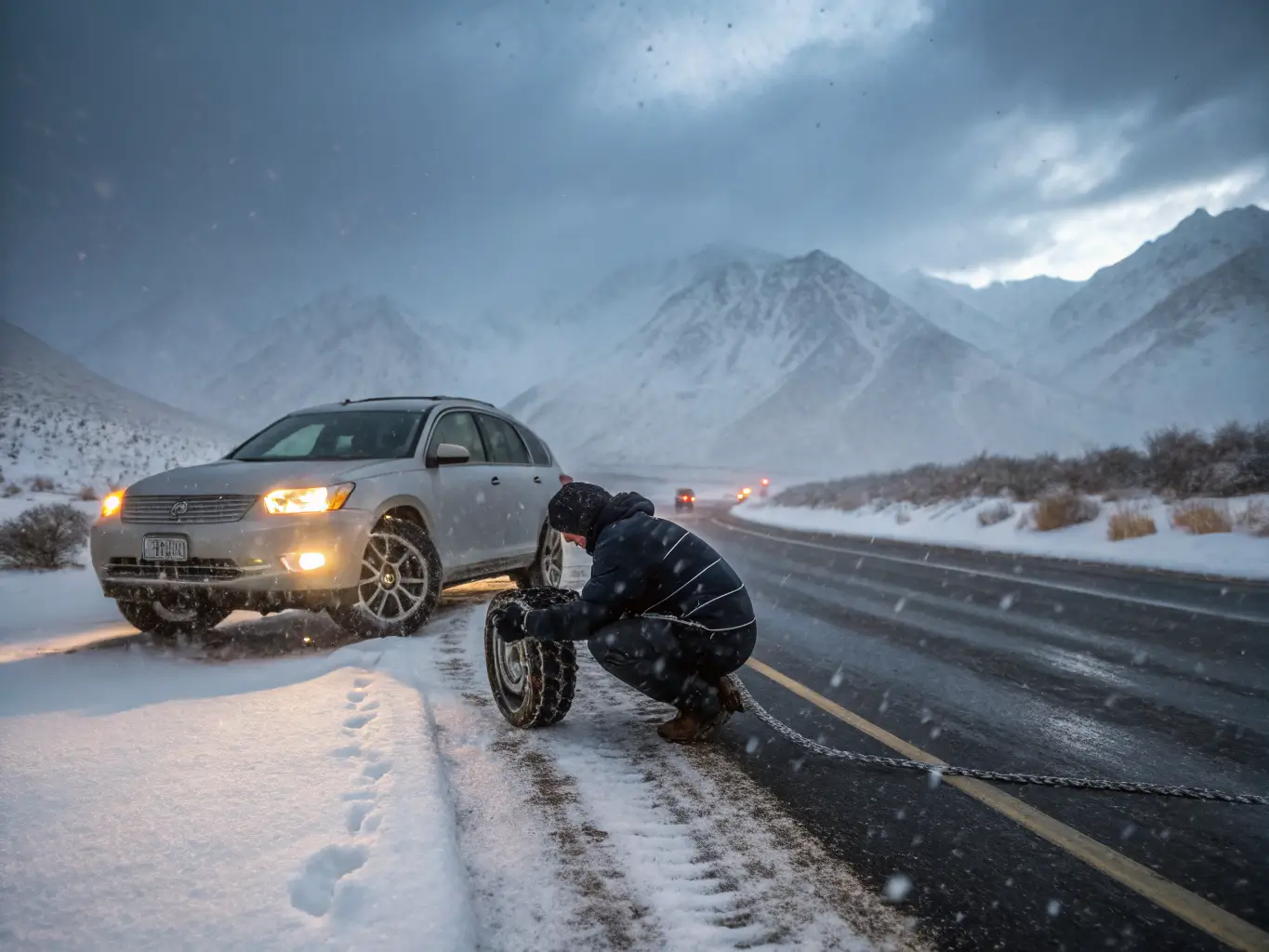
I hit a chain control just past Bishop, spent twenty minutes fitting them with frozen fingers in a lay-by while a local in a lifted truck rolled past looking thoroughly unimpressed.
Lesson learned: keep the chains on top, practise fitting them once at home, and pack gloves you don’t mind ruining.
That five-minute prep would have saved me the most miserable roadside experience of my life.
One more thing on safety.
All that glorious February snow creates real avalanche risk in the backcountry.
If you’re heading beyond the resort boundary, check the local avalanche advisories every single day.
Deep powder is a gift inbounds and a hazard out of bounds.
Key takeaway: Chains in the boot, forecast on your phone, flexibility in your schedule. The mountains reward the prepared.
The Booking Mistake That Costs Visitors Hundreds
Want to know when Mammoth is at its absolute busiest?
Christmas, New Year, and the long holiday weekends in January and February.
February’s Presidents’ Day weekend in particular turns the town into a full-on winter carnival.
Add a good storm forecast and “powder fever” kicks in — lodging fills, lift queues grow, and last-minute prices climb.
Your options span the usual ski-town spread:
– Condos — best value for groups and families
– Hotels and lodges — convenience without the washing up
– Cabins — for the cosy fireplace crowd
– Ski-in/ski-out — pricey, but you’ll never queue for parking
Want to save real money?
Three moves:
1. Book early. February weekends sell out. Full stop.
2. Go mid-week. Tuesday to Thursday gets you quieter slopes and softer rates.
3. Hunt for packages. Lodging bundled with lift tickets often beats booking separately.
For context, autumn (September to November) is when Mammoth is cheapest and quietest.
February is the opposite end of that scale — you’re paying for prime conditions.
Key takeaway: Book early, ski mid-week, and accept that the best snow month comes with the biggest price tag.
What Skiing Mammoth in February Actually Feels Like
This is the main event, so let’s be honest about it.
February skiing at Mammoth is about as good as California gets.
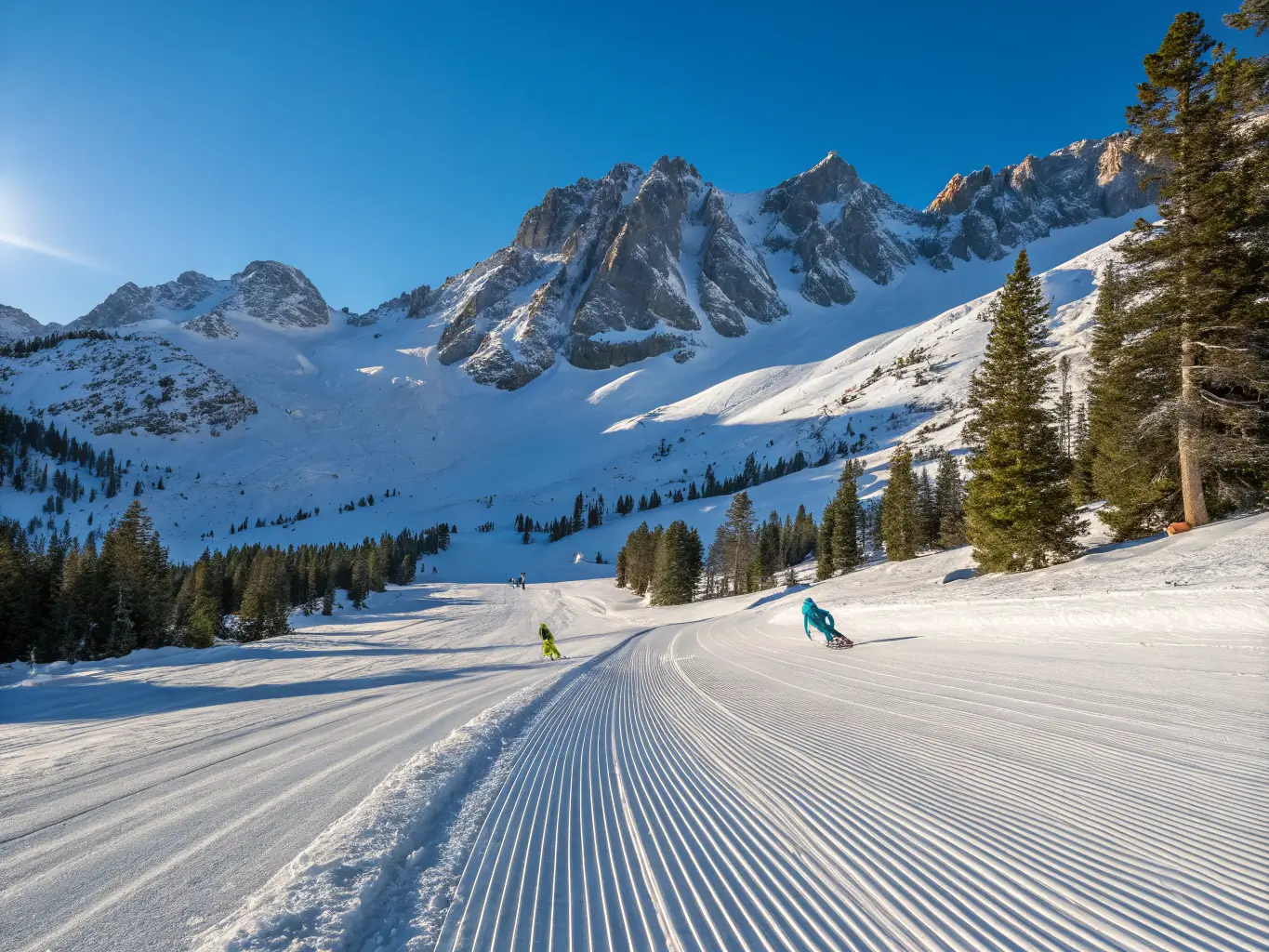
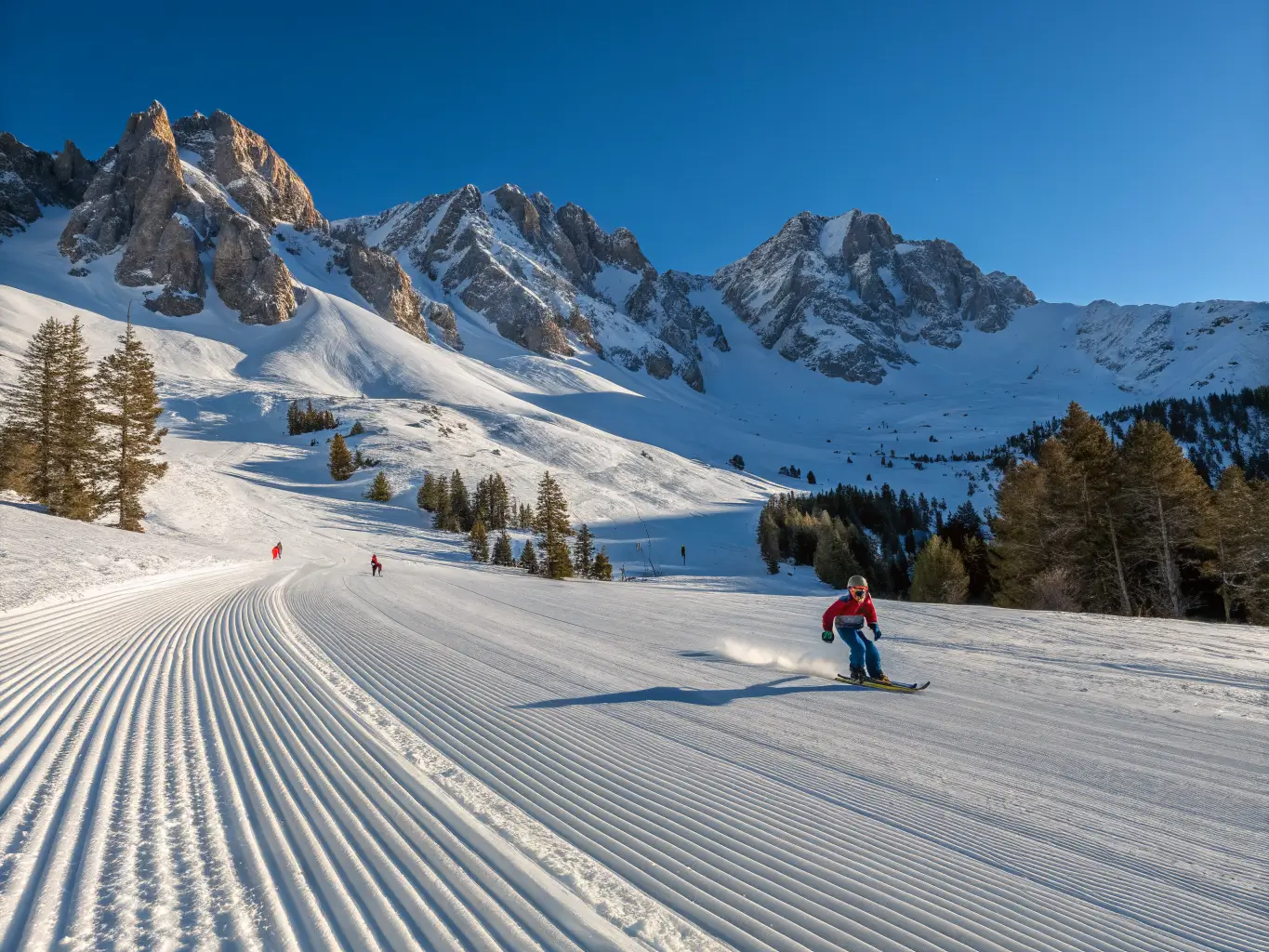
By this point in the season, the base is deep, most of the terrain is open, and the storm-and-sunshine rhythm means you can score thigh-deep powder one day and perfect groomers under blue skies the next.
Locals describe it well: some days it’s snowing “too hard” to see, and the next morning everyone’s lined up before first chair like it’s a Boxing Day sale.
Ever queued in the dark at -10°C for a chairlift?
On a proper powder day, you will — and you won’t regret a second of it.
A few practical notes from experience:
– Storm days mean wind holds. Upper lifts sometimes close in big weather, so have a lower-mountain plan.
– Layer properly. Thermal base layer, insulating mid-layer, waterproof shell. Non-negotiable.
– Gloves, warm hat, goggles. Sunglasses won’t cut it in a February squall.
– Pre-book lift tickets for weekends and holidays, or risk paying window rates — or worse, being turned away.
The beauty of February is the balance.
Roughly half the days trend partly cloudy or clearer, so even in a stormy month, you’ll likely get those postcard-perfect Sierra mornings where the corduroy squeaks and the views stretch for miles.
Key takeaway: Deep snow, open terrain, and a proper mix of powder days and bluebirds. Come prepared and February will spoil you.
And here’s the thing most visitors miss entirely.
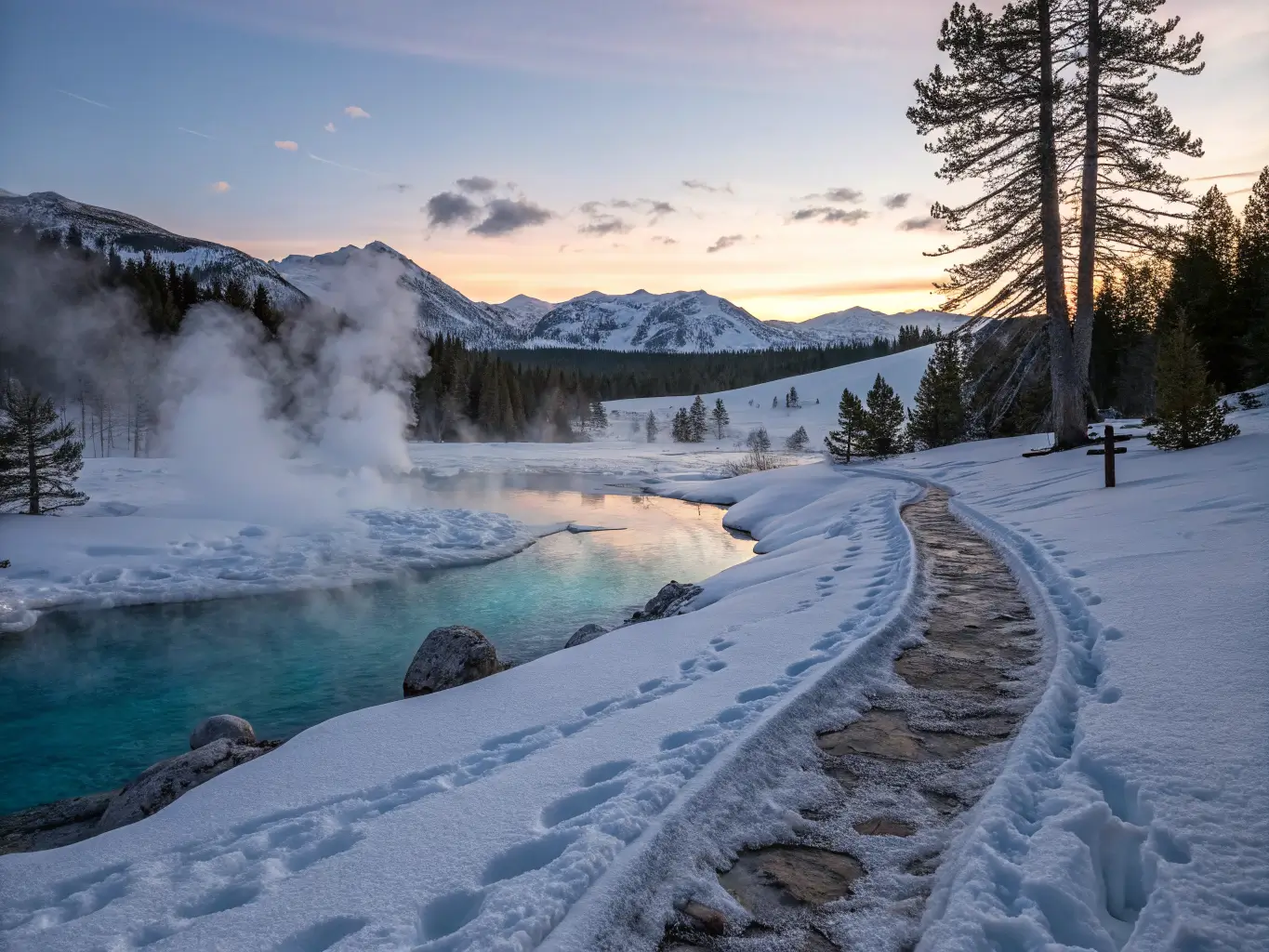
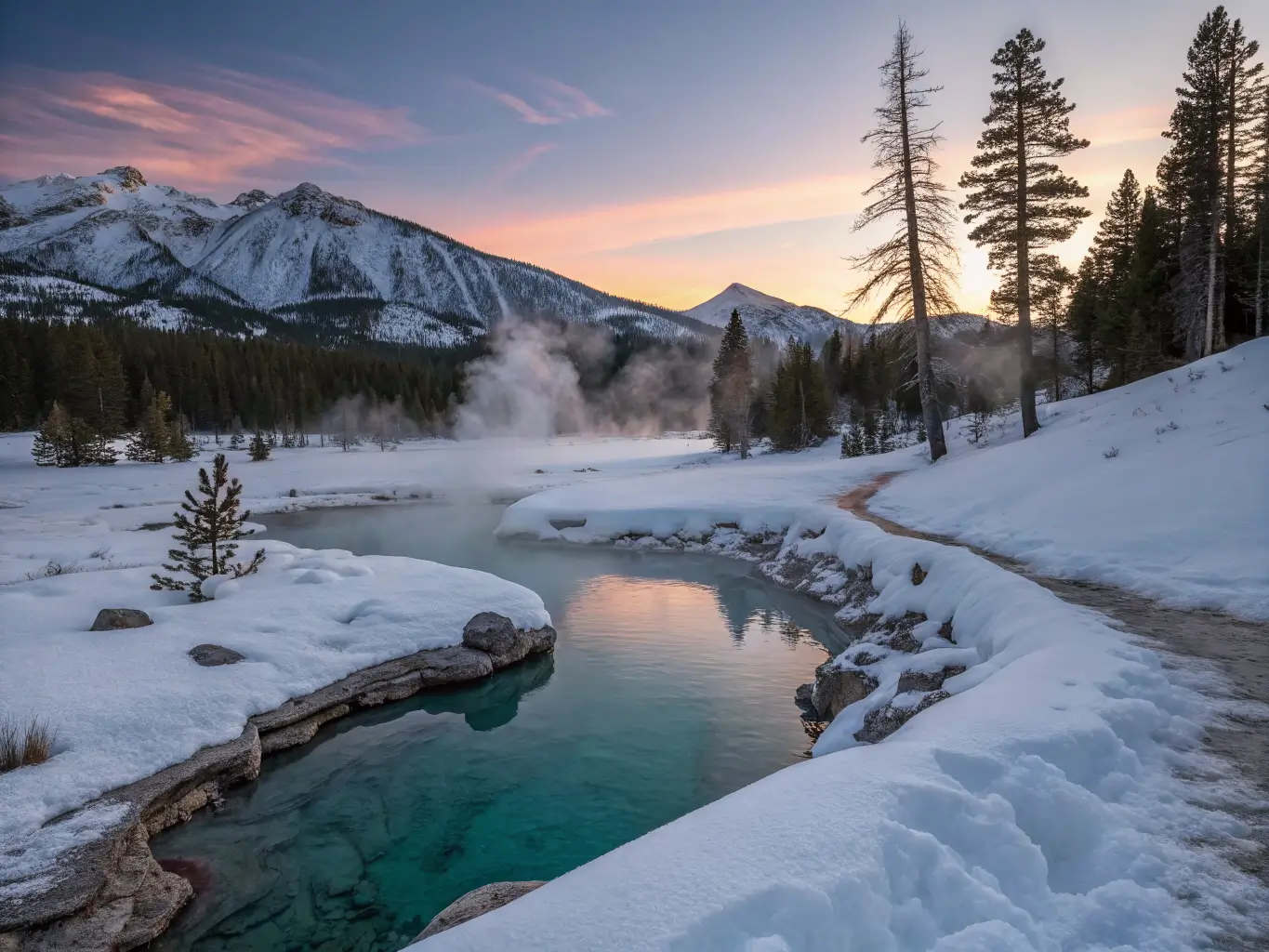
Skiing might be the headline act, but some of my favourite February memories at Mammoth happened nowhere near a chairlift — steaming hot springs reached by snowshoe, frozen lakes glowing pink at sunset, and quiet trails where the only sound is snow crunching underfoot.
The Non-Ski Activities That Might Steal the Show
Let’s start with the one nobody expects.
Hot springs in the snow.
The Eastern Sierra is dotted with natural hot springs, and soaking in one while snowflakes land on your shoulders is a bucket-list moment most visitors never discover.
Here’s the catch, though.
The dirt roads leading to most springs are closed in winter and buried under snow.
Nobody ploughs them.
That means you’re hiking or snowshoeing in — and after fresh snowfall, snowshoes aren’t optional, because the routes won’t be packed down.
I learned this one the sweaty way.
My first February attempt at a hot springs mission, I figured my snow boots would do the job.
Half a mile of post-holing later — sinking to my knees with every step — I turned around, drove back to town, and rented snowshoes.
The next morning’s trip took a third of the time, and the soak at the end felt properly earned.
Beyond the springs, February serves up plenty:
- Snowshoeing and winter hiking. Dramatic frozen lakes and jagged mountain backdrops make even short trails feel epic.
- Scenic lake photography. June Lake, Grant Lake, Crowley Lake, and Twin Lakes are stunning under snow — think ice patterns, glassy reflections, and alpenglow sunrises.
- Sledding and tubing. The whole town becomes a hub of winter joy, and the snow-play options keep kids (and honest adults) happy for hours.
- Cross-country skiing. With February’s deep coverage, the Nordic trails and meadows around town are reliably in play.
One thing to rule out: cycling.
Unless you’re a hardcore fat-biker with studded tyres and questionable judgement, biking simply isn’t happening in February.
Key takeaway: Rent snowshoes, chase a hot spring, and give the lakes a sunset visit. The best February moments often cost nothing but effort.
The Packing List That Separates Rookies from Regulars
Want to spot a first-timer in Mammoth?
They’re the one in jeans and trainers, shivering outside the coffee shop.
Don’t be that person.
Here’s what actually works, refined over years of trial and frozen error:
Clothing — the layering system:
- Thermal base layers (top and bottom)
- Insulating mid-layer — fleece or down
- Waterproof, windproof outer shell
- Warm hat, insulated gloves or mittens, neck gaiter
- Proper snow boots with grip
- Goggles for storm days, sunglasses for bluebirds
The bit everyone forgets: sun protection.
The February UV index is moderate, but snow reflects sunlight straight back at your face.
Sunscreen and lip balm aren’t vanity items — they’re the difference between holiday photos and a raccoon-faced sunburn.
Vehicle kit:
- Snow chains (practised, accessible, not buried)
- Ice scraper and small shovel
- Blanket, extra food, and water
- Winter or all-terrain tyres if you can manage it
- Keep the fuel tank topped up during storm cycles
The small stuff that saves the day:
- Hand warmers and thermal socks
- Offline maps downloaded before you lose signal
- A fully charged phone and a backup battery
And one habit worth building: start checking the forecast about five days before you arrive.
That window tells you almost everything about what your drive — and your trip — will look like.
Key takeaway: Layer up, chain up, charge up. Preparation is the cheapest upgrade you’ll ever buy.
The Honest Pros and Cons (Because No Month Is Perfect)
Let’s put it all on the table.
Why February wins:
- The best snow of the year. Deep base, frequent storms, powder days that locals talk about for months.
- Everything is open. Skiing, snowboarding, snowshoeing, hot springs, sledding, Nordic trails — the full winter menu.
- The atmosphere. The town hums with energy during peak season. It’s infectious.
Why February tests you:
- The cold is relentless. Sub-freezing on 97% of days. Without proper gear, you’ll be miserable.
- Storms disrupt plans. Icy roads, chain controls, occasional lift wind holds. Flexibility isn’t optional.
- Crowds and cost. Holiday weekends get packed, and prices reflect the demand.
Now, the caveat locals always give — and it’s worth taking seriously.
Snow is luck.
Some Februarys dump relentlessly.
Others go weeks with barely a flake of fresh snow, even though the base underneath stays solid.
There’s no long-range guarantee, and anyone promising you a powder day three weeks out is selling something.
The base snow will be there.
The fresh stuff is a lottery.
So match the month to your priorities:
- Powder chasers? Watch the forecast, stay flexible, and accept the storm logistics.
- Families? Aim for mid-week windows with stable weather — quieter slopes, calmer roads, happier kids.
Key takeaway: February is the highest-ceiling, highest-variance month. Know which trade-offs you’re signing up for.
Your Burning Questions, Answered Straight
“Will there be snow in February?”
On the ground? Yes, virtually guaranteed — everywhere.
Fresh snowfall during your specific week? That’s the gamble.
February tends to be a decent bet, but totals swing wildly year to year.
“Is it safe to drive up?”
Generally yes, with preparation.
Expect snow and ice on the roads, carry chains, check Caltrans advisories, and avoid driving during the peak of a storm if you can.
The five days before your arrival largely dictate how spicy the drive gets.
“What if I don’t ski?”
You’ll still have a brilliant trip.
Snowshoeing, hot springs, lake photography, sledding, and general snow play fill days easily.
Just know that many access roads are closed, so plan to walk or snowshoe to the good stuff.
“How long should I stay?”
Three days minimum.
That gives you time for the mountain, a non-ski adventure, and a buffer day in case a storm reshuffles your plans.
Any less and you’ll spend half the trip driving.
Key takeaway: Snow on the ground is certain, fresh powder is probable, and three days is the magic number.
Where February in Mammoth Is Heading
One last thing worth knowing before you book.
The year-to-year variability locals describe — bone-dry Februarys followed by all-time dumps — seems to be the new normal.
Smart visitors have adapted.
Rather than trusting historical averages, they watch mid-range forecasts and book with flexibility in mind.
Refundable lodging and adjustable lift tickets are worth their weight in gold.
Meanwhile, the secret is getting out.
Powder fever and the booming popularity of winter sports mean February crowds are trending up, not down.
Snow removal crews, road maintenance, and lodging capacity are all being stretched during peak weekends.
What does that mean for you?
Simple: the earlier you plan, the better your trip.
The people who book in October ski past the people who booked last Tuesday.
Key takeaway: Book flexible, book early, and let the forecast — not the calendar — pick your powder days.
The Bottom Line
February at Mammoth is winter with the volume turned all the way up.
Deep snowpack, active storms, sunshine between the cycles, and a town buzzing with powder fever.
Yes, it’s cold — properly cold.
Yes, the drive demands respect and a set of chains.
And yes, you’ll pay peak-season prices for the privilege.
But get the preparation right — layers packed, chains practised, lodging booked early, forecast checked — and you’ll understand why this is the month regulars quietly circle on their calendars every year.
The snow is deep, the springs are steaming, and the mountain is waiting.
Sort your gear, watch that five-day forecast, and go experience Mammoth Lakes in February for yourself.
Related Internal Links
Explore more nearby winter guides and local resources:
- Lake Tahoe in February
- Yosemite Village in December
- Big Bear National Park
- Things to Do in Big Bear
- Free Things to Do in Mammoth Lakes
External Resources
For weather trends and trip timing advice, see: