Glass wall panels are finally maturing. In 2025, they’re less about copying offices and more about doing three things well: dividing rooms without killing light, borrowing daylight into dark zones, and creating real feature walls that look good at night, not just on Instagram.
If you get them right, a glass wall panel can replace a clumsy stud wall, fix a gloomy hallway, or turn a dead TV wall into something worth looking at. Get them wrong and you end up with an echo chamber, a fake “loft vibe,” or a very expensive fingerprint magnet.
What a glass wall panel actually is (and why it matters)
At its core, a glass wall panel is any large glass element used as a wall: fixed, sliding, decorative, or full-height. In interiors you’ll see a few main types:
Interior glass wall panels split rooms while sharing light. Think home offices, secondary living rooms, and stairwells where you want separation, not isolation.
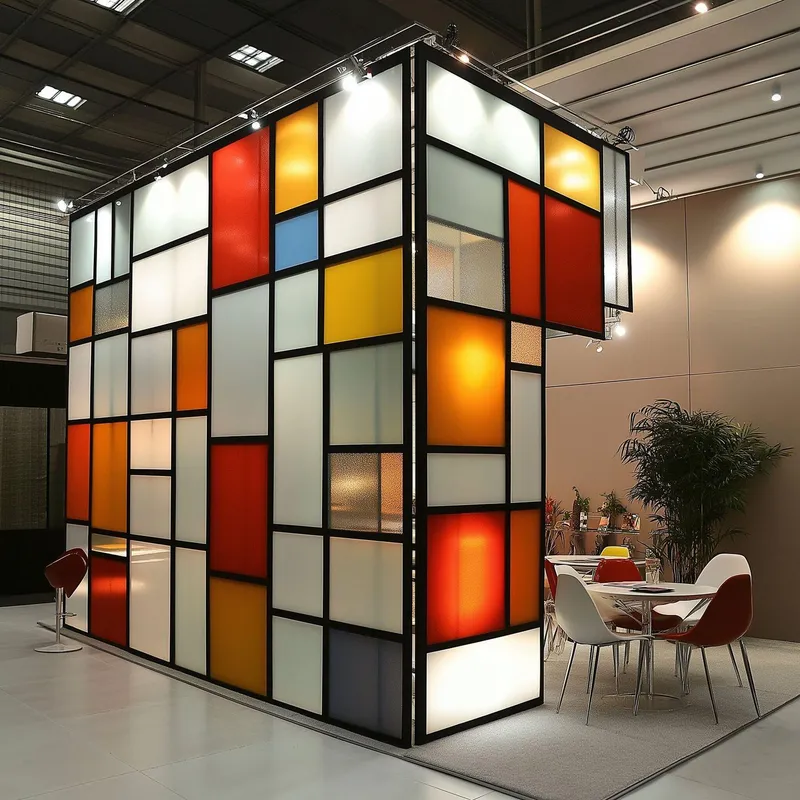
Decorative glass wall panels act as feature walls or cladding. These go behind a bar, around a fireplace (with proper heat clearance), or as a dramatic backdrop in an entry.
Smart glass wall partitions use switchable glass that shifts from clear to opaque. The tech is clever; the day-to-day user experience is much less impressive.
Floor-to-ceiling glass wall systems run full height, often frameless or minimally framed. Done properly, they align with the building structure and read as architecture, not furniture.
Frosted and textured glass panels use etched, reeded, patterned, tinted, or printed finishes to soften views, add privacy, and diffuse light.
Before you chase aesthetics, decide the main job you need the glass to do: light, privacy, or impact. You can’t ask one panel to do everything equally well.
Floor-to-ceiling glass wall systems: go all-in or skip it
Full-height glass belongs in serious architecture: clean lines, proper framing, and alignment with the building grid. When you see a flimsy “glass wall” stuck under a dropped ceiling with random bulkheads, it reads like a budget co-working space, not a home.
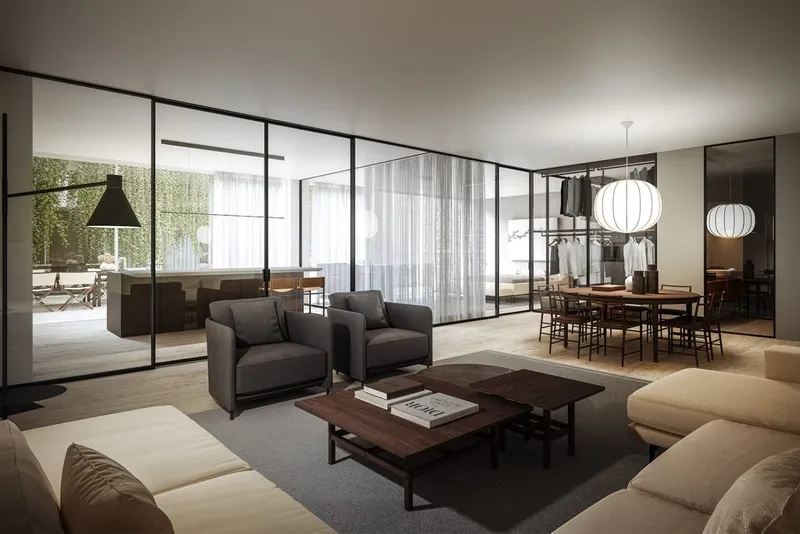
If you’re planning floor-to-ceiling glass wall systems, focus on three things: structure, acoustics, and alignment. Structure first: these panels are heavy. You need solid support above (often a structural beam or proper track fixed into framing), not just a token channel into drywall.
Then acoustics. Clear interior glass wall panels without seals or proper doors are a failure. They look expensive and sound terrible. You want perimeter gaskets, drop seals on doors, and soft finishes nearby—rugs, curtains, upholstered furniture—to kill reverb. Otherwise, every call becomes public.
Finally, alignment. Full-height glass wants to line up with window mullions, beams, or major axes in the plan. When a glass wall slices across ceiling joints at odd angles, your brain reads “rental fit-out,” not considered design.
Fixed interior glass wall panels that actually work at home
For most homes, a well-placed fixed interior glass wall panel beats an operable system. It’s cleaner, better sealed, and you’re not living with tracks and hardware you barely use.
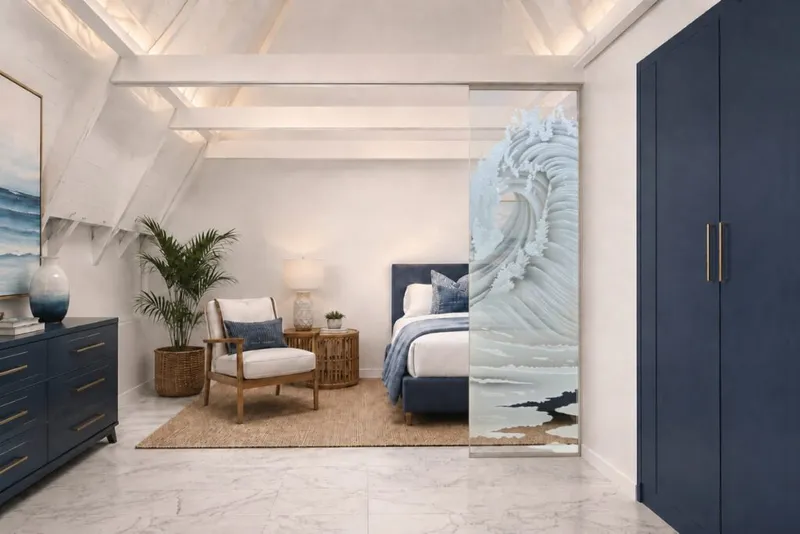
Use fixed panels to borrow light into internal rooms: think a glass wall between a dark hallway and a living room, or between a stairwell and a kitchen. Keep framing minimal but not non-existent—thin but solid mullions give you easier installation and often better acoustics than fully frameless everything.
In small apartments, a glass wall panel can replace a solid wall to turn a “nook” into a real office or second bedroom. The trick is deliberate privacy: don’t build it in clear and then panic-add stick-on frosting later. If you know this room needs to hide mess or sleeping kids, start with frosted and textured glass panels from day one.
And skip the mini “greenhouse” look where a tiny room is fully surrounded by glass. It photographs well and feels awful to use. One or two solid walls plus one strong glass wall reads calmer and more permanent.
Smart glass wall partitions: use as a party trick, not your plan A
Switchable smart glass is fun to demo and frustrating to live with. There’s lag going from clear to opaque, there’s often a milky haze even when “clear,” and people absolutely worry the first time the control system glitches.
If you want smart glass wall partitions, keep them secondary. Use them where privacy is occasional, not critical: a guest bathroom window that faces a courtyard, a glass band above a fixed wall, or as an extra layer over already-private glass.
Don’t rely on smart glass as the only privacy strategy for a bedroom or meeting room. For areas where failure isn’t acceptable, old-fashioned solid walls, frosted glass, and proper blinds still win. Smart glass is an upgrade feature, not the backbone of how your home or office functions.
Frosted and textured glass: the grown-up privacy move
This is where most people either get it right or end up in “sticker overkill” territory. Frosted and textured glass panels handle privacy properly because the glass itself is doing the job.
Etched or acid-frosted glass gives a soft, even blur that hides clutter while letting light through. Reeded and fluted glass (vertical ribs) distort the view enough that faces and mess disappear, but you still read movement and daylight. Patterned or printed glass can go bolder—geometrics, gradients, or even subtle graphics—if the architecture around it is simple.
What doesn’t work: clear glass everywhere and a pile of stick-on privacy film once you realize the neighbor can see your laundry. Blinds taped to interior partitions in offices are even worse. That all feels like a panic fix. If you know you need privacy, bake it into the glass, don’t bandage it six months later.
In practice, use frosted and textured glass for bathrooms, home offices, dressing areas, and any glass that backs onto storage. You get light, privacy, and less visual noise than open shelving or clear glass exposing everything.
Decorative glass wall panels: only worth it if you light them
Decorative glass wall panels can be spectacular. They can also be a very expensive dark patch if you ignore lighting. I’ve seen clients spend serious money on art glass that turns dead as soon as the sun sets.
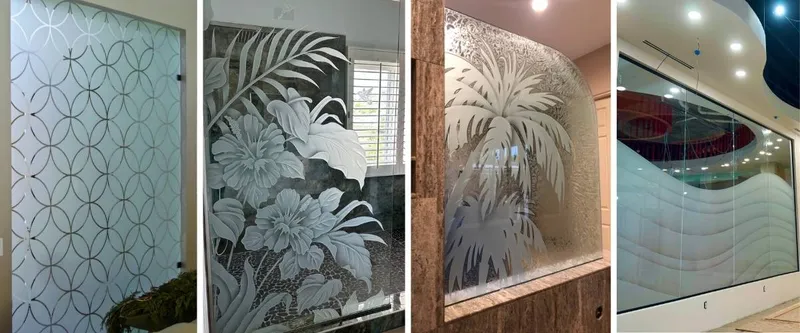
If you’re going decorative, commit to backlighting or edge lighting. That means building in a cavity behind the panel with LED strips or sheets, proper diffusion (opal acrylic, fabric, or etched backer), and enough access to change drivers later. When lit correctly, even simple patterned glass becomes a rich, glowing feature wall.
Without dedicated lighting, decorative glass should be treated like a normal cladding material, not the star of the room. In that case, you might be better off with a strong paint color, stone, or actual art and save the glass budget for where it earns its keep.
Good spots for backlit decorative glass wall panels: behind a bar, in an entry niche, at the end of a long hallway, or as a headboard wall (with soft, dimmable light). Avoid scattering small patches everywhere—one or two big gestures beat a dozen tiny ones.
Sliding and movable glass walls: usually overkill in homes
Everyone “wants flexibility” until they live with it. Sliding or movable glass wall partitions are sold as the answer to entertaining and “open concept,” but most homeowners slide them fully open a couple of times a year.
The rest of the time, you’re dealing with thicker tracks, compromised seals, and more hardware to clean. Acoustic performance drops because you have more joints and less structure, and the threshold details at floors get messy, especially if you want flush transitions.
In homes, fixed glass does the job better most of the time: define a real room, keep sound under control, and still get transparency. If you genuinely host big groups often and want to open two rooms into one, at least be honest with yourself about frequency of use versus daily annoyance.
If you still want movement, limit it: one generous sliding panel rather than five stacking ones; a large door within a fixed glass wall panel instead of a full movable system. Fewer moving parts, more sanity.
Quick planning rules for glass wall panels
- Work out the main job first: light, privacy, or drama. Design for one priority; let the others follow.
- For proper rooms, aim for full height (floor-to-ceiling) or very deliberate transoms. Don’t stop glass 30 cm below a ceiling unless you like the cheap fit-out look.
- Use acoustic seals and proper doors wherever real conversations or calls will happen. Glass alone doesn’t block much sound.
- Choose frosted or textured finishes from the start wherever you know privacy is required. Avoid “we’ll add film later.”
- Backlight decorative glass panels or keep them simple and treat them like regular wall cladding.
- Keep frames thin but substantial—around 25–50 mm visible is usually enough to look intentional and handle tolerances.
- Coordinate with ceilings and floors: align glass joints with beams, window mullions, or tile joints where you can.
Where glass wall panels work best in real homes
Home offices and study nooks
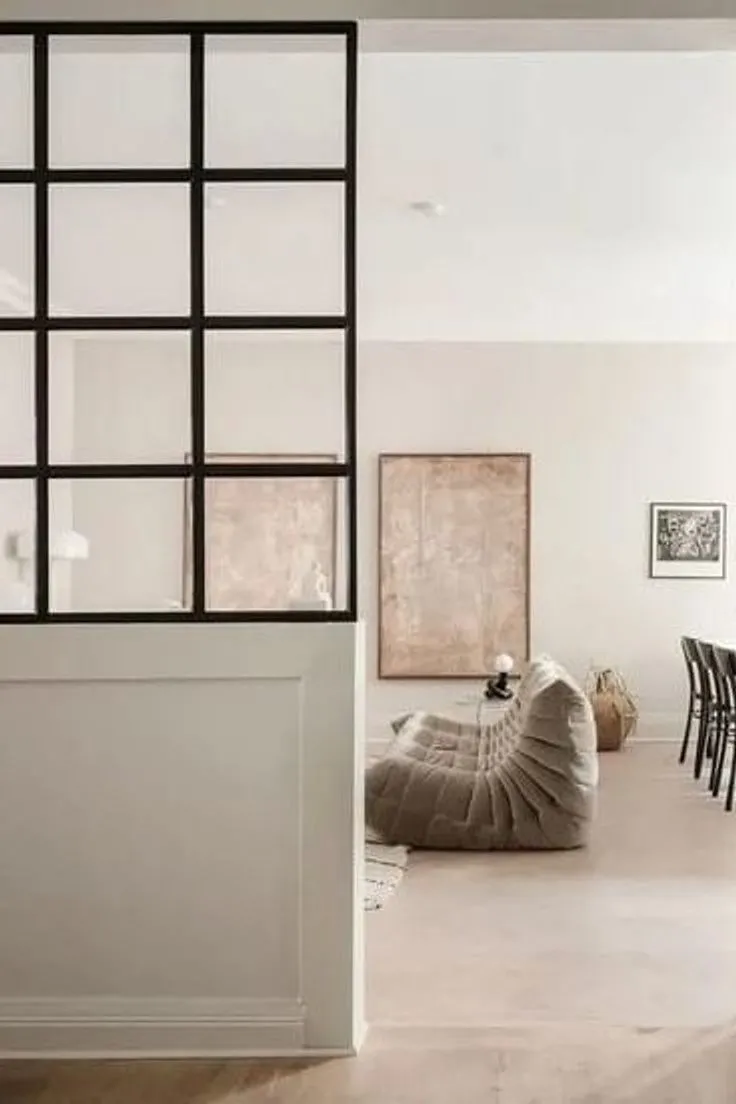
A glass wall panel can turn a corner of a living room into a legitimate office. Use floor-to-ceiling glass with an acoustically rated door if you actually take calls. Reeded or frosted glass hides the inevitable paperwork chaos but keeps daylight flowing into the living room.
Hallways and stairwells
Internal hallways and enclosed stairs are usually starved of light. Swap one solid wall for interior glass wall panels along the stair, or between a hall and a living room. Use toughened or laminated glass with handrail or barrier details that meet local safety codes.
Bathrooms and dressing areas
Think frosted or textured glass between bedroom and ensuite, or between dressing area and bath. Tinted or bronze glass can add warmth, but don’t go so dark that the room feels cave-like. Always check local rules around safety glazing in wet areas.
Feature walls in living rooms
Instead of another drywall TV wall, a decorative glass panel behind shelving or a bar can add depth. The key: integrated, dimmable lighting and cable management. No visible wiring, no exposed LED dots, and no “glow-worm” strips stuck on as an afterthought.
Basic cost and complexity signals
| Type | Relative cost | Complexity | Best use |
|---|---|---|---|
| Fixed clear glass panel | Low–medium | Low | Borrowing light between rooms |
| Fixed frosted/textured glass | Medium | Low–medium | Home offices, bathrooms, dressing |
| Framed floor-to-ceiling system | Medium–high | Medium–high | Serious room divisions with acoustics |
| Decorative backlit glass | High | High | Feature walls and focal points |
| Smart glass partitions | Very high | High | Occasional privacy, statement features |
| Sliding/movable glass walls | High | High | Large openings used frequently |
Exact costs vary widely by country, glass spec, and hardware, so use this as a hierarchy, not a price list. For anything structural or involving safety glass, always confirm with a qualified local contractor or engineer.
Mini FAQ: glass wall panel questions people actually ask
Are glass wall panels safe in homes with kids?
Yes, if you use the right glass and details. You want toughened (tempered) or laminated safety glass, proper fixing channels, and no sharp edges. In high-risk zones—stairs, play areas, wet rooms—local building codes usually dictate the minimum spec. Follow them.
Do glass wall panels make rooms louder?
They can, if you ignore acoustics. Hard surfaces reflect sound. Pair glass with seals, solid doors where it matters, and soft finishes (rugs, curtains, upholstered pieces). A well-detailed framed glass wall can perform better acoustically than a bare open-plan room.
Are interior glass wall panels high-maintenance?
Clear glass shows fingerprints; textured and frosted glass are more forgiving. Large panels usually just need a regular wipe with glass cleaner. The bigger maintenance risk is hardware—sliding tracks and hinges need occasional adjustment. Another point for fixed panels.
The short version: in 2025, the best glass wall panel ideas are quieter, more intentional, and less “look at me” than they were a decade ago. Treat glass like architecture, not decor, and it will work hard for your layout instead of fighting it.
The post Glass Wall Panel Ideas for 2025: How to Use Glass Panels to Divide Space, Add Light, and Create Feature Walls appeared first on DesignRulz.