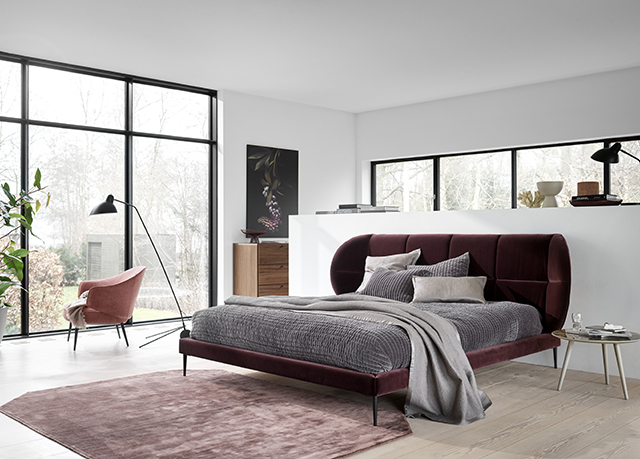
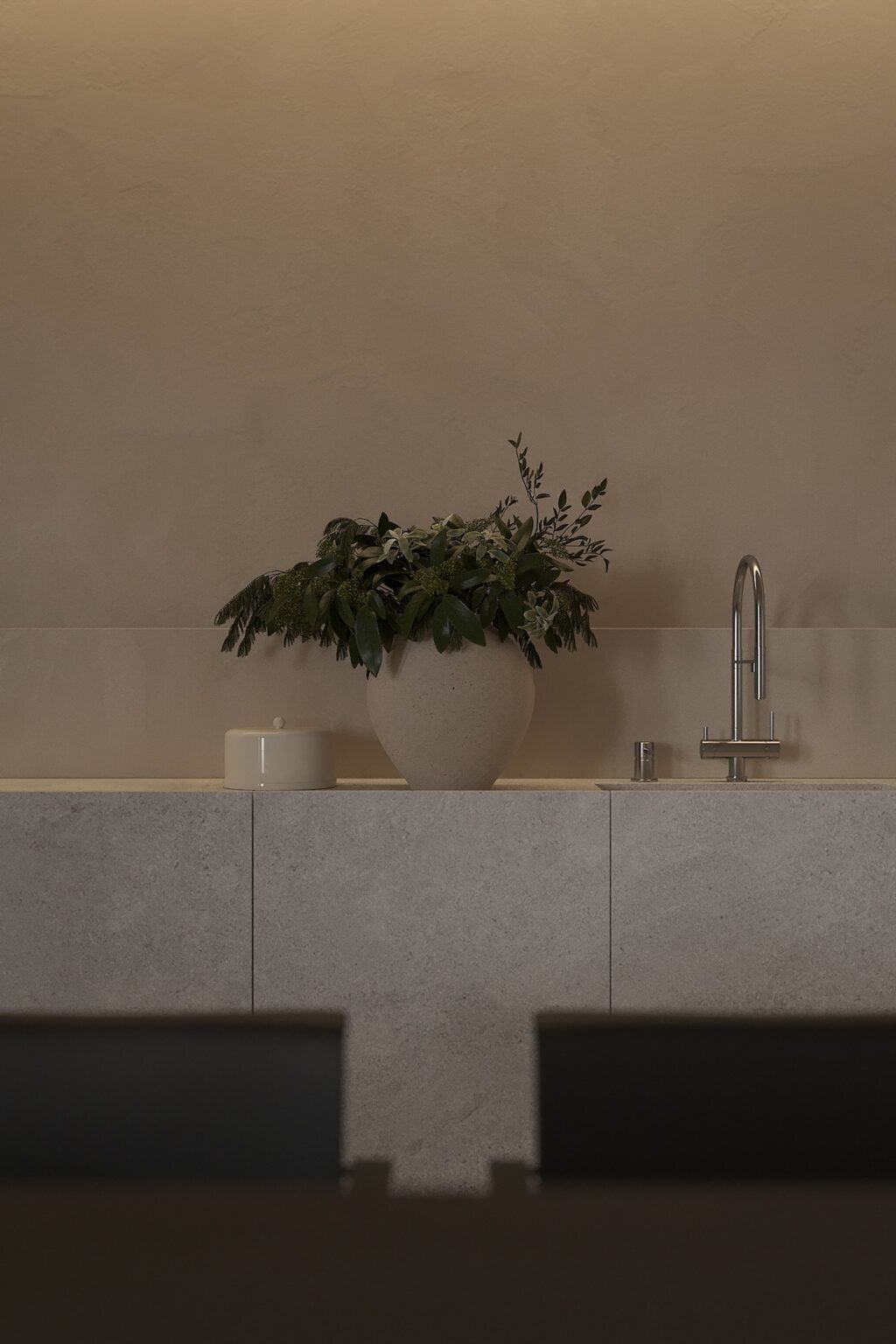
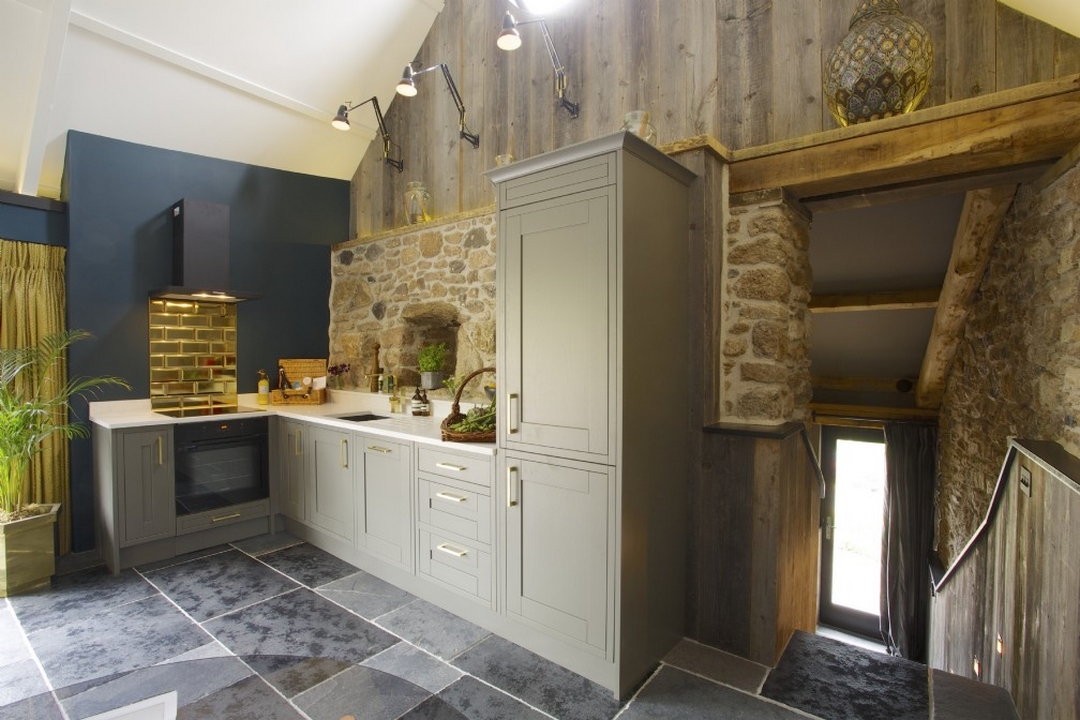
At a fair devoted to ceramic and porcelain, infrastructure might seem like an unlikely point of departure. But when Cersaie — the International Exhibition of Ceramic Tile and Bathroom Furnishings — returns to Bologna, Italy, from September 21 to 25, 2026 — its program promises to invite a broader consideration of the systems that support the built environment. Through this lens, tile is no longer simply the final layer applied once a space has been designed, but part of a larger framework that influences how architecture performs, ages and is experienced — and ultimately, how it impacts the world around it.
In this way, Cersaie acts as the connective tissue of the ceramics industry, bringing together knowledge from across the product life cycle, from manufacturing to specification to installation. Set to attract more than 600 manufacturers and 100,000 visitors from over 160 countries, the event offers architects, designers, contractors, developers, distributors and other building professionals unparalleled access to the latest trends, formats, innovations, and cutting-edge installation techniques across ceramic surfaces, sanitaryware, bathroom furnishings and architectural applications. This year, embracing the theme of “a space for architectural design,” the fair positions surfacing as a practical tool for responding to changing ways of living.

The fair’s annual speaker series situates ceramics within the broader architectural discourse; this year’s lineup includes Pritzker winner Alejandro Aravena, who will deliver the keynote address on Thursday, September 24, and Annabelle Selldorf — plus a panel on large-scale infrastructure projects. Tiling Town, a 400-square-metre hub for hands-on learning, continues Cersaie’s educational mandate, hosting live installation demos and courses focused on extra-large slabs, three-dimensional volumes and mosaics, as well as an international tiling lab.

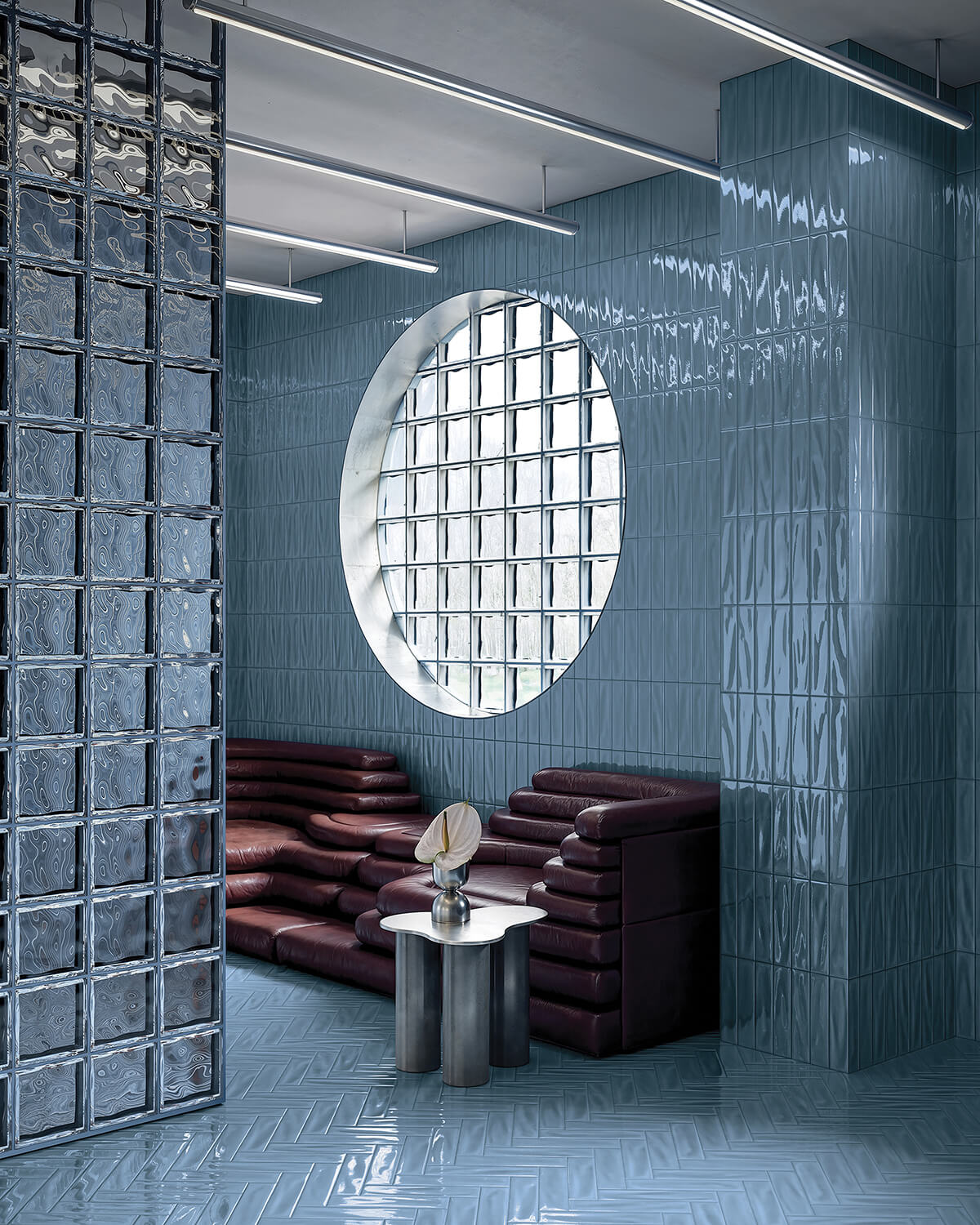
The breadth of Cersaie’s programming is matched by the versatility of the collections on display. Beyond conventional floor and wall tiles, this year’s launches demonstrate the diverse use cases for ceramics, from porcelain countertops, cabinetry and cooktops to ventilated facades, exterior pavers and pools. Within interiors, the growing trend of “tile drenching” sees the material used across all manner of surfaces to create highly immersive spaces.
Advances in fabrication, installation methods and material technology are further expanding ceramics’ role across kitchen and bathroom environments, allowing for greater integration and design flexibility. Innovations in sanitaryware and bathroom furnishings, for instance, extend from integrated washbasins and vanities to bathtubs and shower drainage systems. Whether applied as small mosaics or ultra-thin slabs, integrated bathroom components or deployed across exterior architectural systems, ceramics can solve for nearly any technical requirement, offering exceptional durability, easy maintenance and superior hygiene.

Ceramic’s superior longevity, which minimizes the need for replacements and repair, is just one attribute that makes it an inherently sustainable choice; its use of natural raw materials and lack of PVC, phthalates and harmful VOCs make it one of the healthiest material options available for kitchen and bath spaces. Many Italian manufacturers have established themselves as industry leaders in environmental responsibility, through the reuse and recycling of manufacturing waste and water and energy conservation practices — and their products have the certifications to back it up, including EPD, LEED, Greenguard and Declare labels.

None of these benefits come at the expense of aesthetics. This year’s product launches will once again showcase the vast range of design expressions achievable with ceramics — including metallic finishes, nature-inspired styles and artistic, mural-like formats. Playing with colour, texture, scale, reflectivity and three-dimensional relief patterns, Italian manufacturers are adept at creating designs that shape the sensory experience and atmosphere of any space. As for which trends will define tile, sanitaryware and bathroom furnishings in the year ahead, you’ll have to register for Cersaie 2026 — or stay tuned for our show report — to find out.
This content was published by Azure on behalf of Cersaie.
Lead image: Travertino Moka Vein Cut by Del Conca.
The post At Cersaie 2026, Ceramic Moves from Surface to System appeared first on Azure Magazine.