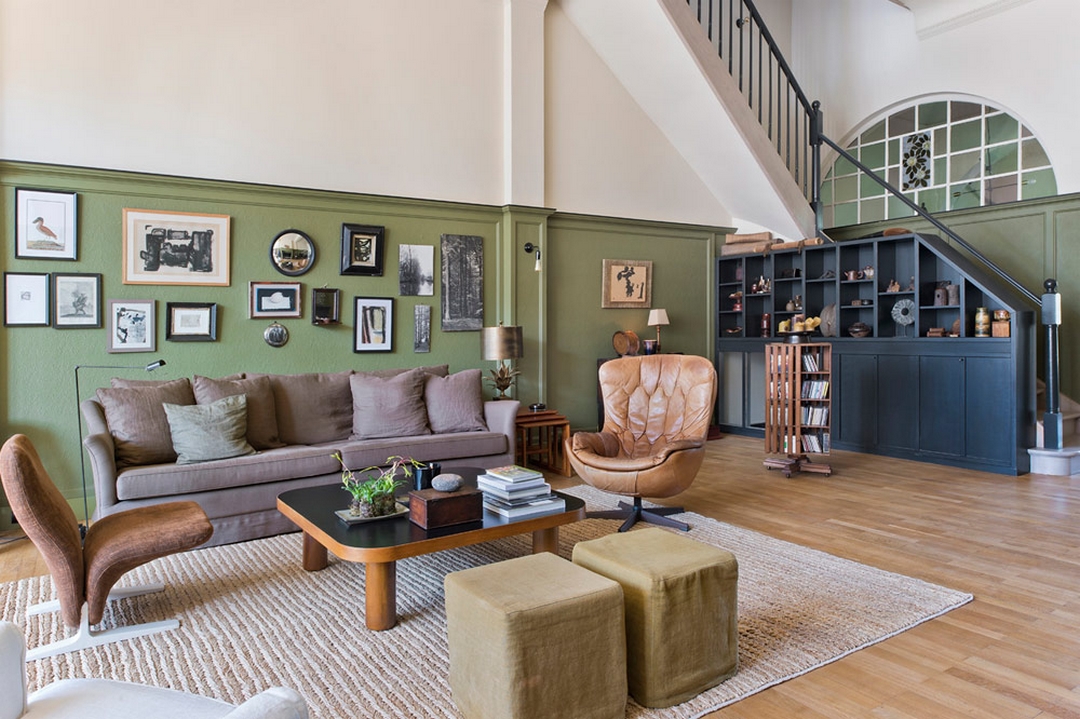
On the porch with a cup of tea in hand, Bec Snelling pauses between hanging drapes and adjusting finishing touches for the show she’s staging inside her Mount Eden, Tāmaki Makaurau/Auckland home. The setting is more than a backdrop; it’s part of the work, a lived-in context where new pieces sit naturally among family objects and daily life.

A move from Clevedon was led by family needs and has also shifted the way Bec works. Here she has a home studio and a new outlook beside the park. Material remains central, although the palette is shifting with place. “I’m picking up more colour than before,” she says. “Tone once drove everything. Maybe it’s just osmosis from being in the city.”


From this base, she has been developing the next instalment of the Hour collection, a chapter that treads the line between making a statement and quieter studies. Cloak — a multi-functional piece that functions as a coat rack, mirror and storage unit — anchors the collection with sculptural presence. At the other end sit pared-back works such as the Anther table lamp, wall light and side table, alongside the playful Olius pendants inspired by native trees. For Bec, Hour is less a line of products than a rhythm she can return to — a structure that holds space for grand gestures and subtler notes. It isn’t a seasonal drop or a fixed set, but a vocabulary that grows as her practice evolves.


Alongside this, she is deep into a Master of Fine Arts in sculpture at Ilam. The programme has been less about outcomes than about method, forcing her to examine how she operates as a creative. “It’s like taking my brain to the gym,” she says. “I’ve become more conscious of the way I process ideas, and that feeds back into Snelling [Studio]. It keeps things experimental.”
What matters to her is resisting formula: keeping the studio porous, never so fixed that it stops evolving. She wants the pieces to live with people — to find their place among the mess and beauty of real life — rather than sit apart as precious objects.

Built around family and collaboration, Bec speaks about Snelling, the business, as an ode to her DNA, a name that helps her hold to standards. She also credits the people who keep the engine running: the shade-maker, fabricators, timber-mill crew and her father, Douglas, who is still hands-on at 82. Their energy carries her. “When my gas is low, I get lifted by the people around me,” she says. “Kristine with the drapes, Travis at the mill, Bruno engineering the impossible — they remind me this is bigger than me.”
Family history is also present in the way she frames the work at home: a Liberty bedspread from her mother, plates from her grandmother, traces of her aunt Helen (a painter) in the way colour and composition settle. These aren’t props. They are a living context the new pieces must sit within.

She is frank about the pressures of working in Aotearoa. Distance from industry centres makes manufacturing difficult. The small market often favours conservatism, and she has made those compromises before to stay afloat. The result dulled the spark. This collection feels different — a body of work she describes as authentic, confident and truer to her own voice, while still grounded in craft. Part of that shift has been learning not to dilute ideas out of fear they might be “too much”. “In the past I sometimes backed away from things that felt scary,” she says. “Now I see that’s often where the energy sits. If a piece has presence, if it asks a question, that’s exactly what makes it worth keeping in.”


At the same time, she knows how fragile the infrastructure is. A shortage of mills or workshops can derail a project. Skills risk being lost if they aren’t carried forward.
For Bec, this underlines the importance of supporting the makers around her and keeping the knowledge alive. Each collaboration is not just practical, but part of sustaining a culture of making in Aotearoa.
The idea of generational making resonates strongly. In an industry where few lines span decades, she finds continuity in working alongside her father whose craft and presence continue to shape the studio.
That sense of legacy informs the way she thinks about Snelling and its place in the broader design landscape. In contrast to countries with centuries of design lineage, she believes Aotearoa is still in its early chapters. Rather than seeing that as a gap, she sees it as possibility, a chance to begin something new.
For all the head work, she keeps to a practical routine: dogs, good food and a discipline few love — hot yoga. “It’s extreme, but it teaches you that if you don’t let go, you can’t move forward. That’s become my creative mantra.”
As the collection settles into her living room, Bec says she has rarely felt so aligned. The vision matches the reality. She calls it a full stop. It reads less like an ending than a pause: a punctuation mark earned through process, collaboration and craft, with just enough space to hold what comes next.
snellingstudio.com
Words Alice Lines
Photography Greta van der Star
The post Surrounded by heirlooms and collaborators, designer Bec Snelling balances bold gestures with quiet detail in her new work appeared first on homestyle magazine.