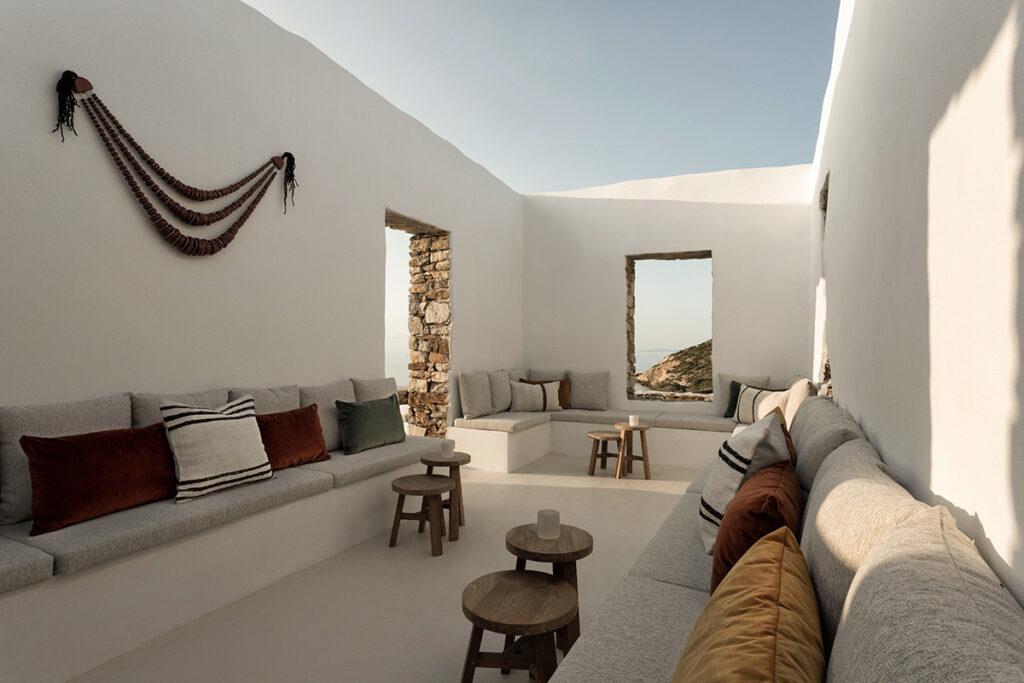
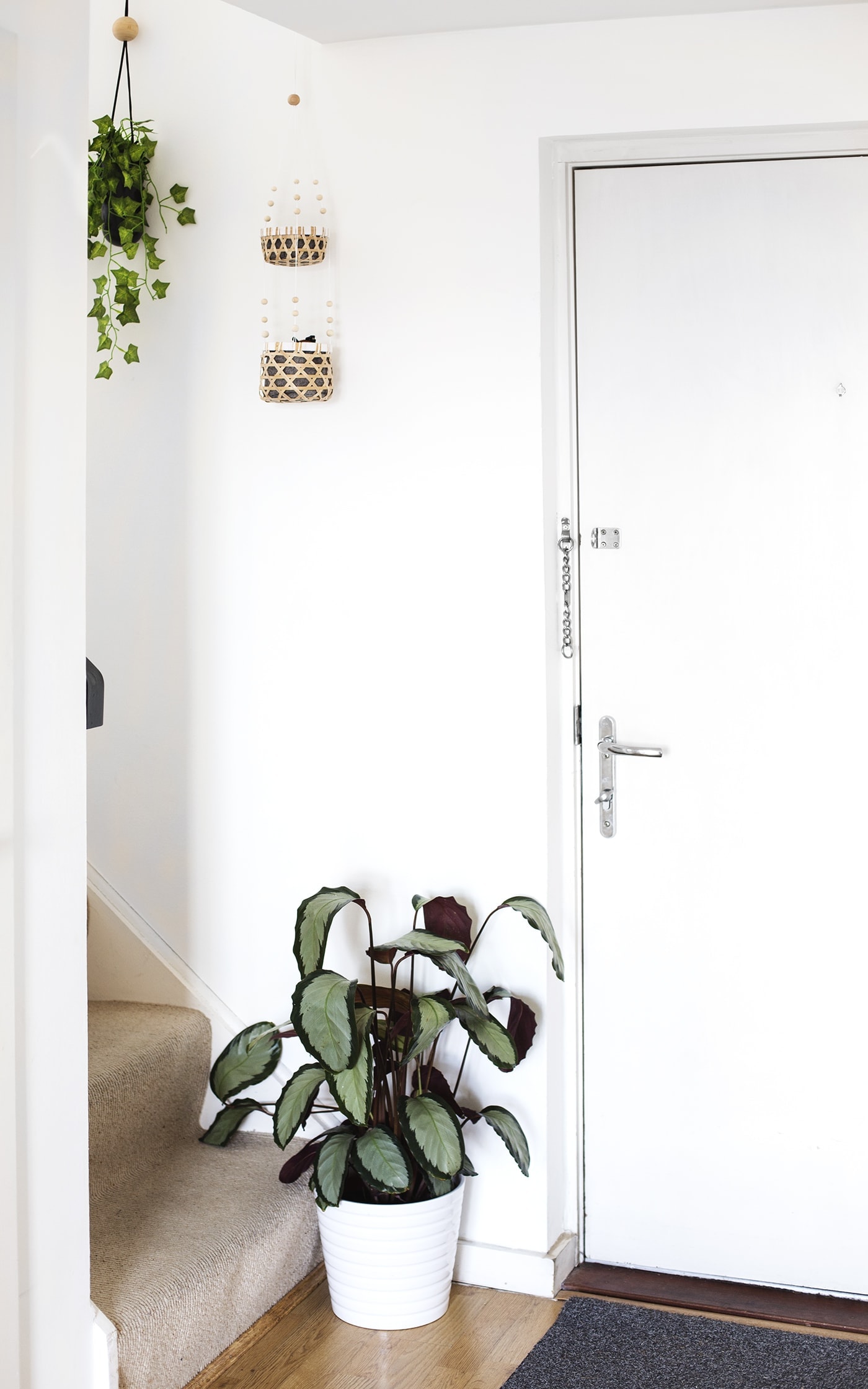
Feng shui is not about lucky frogs and random crystals. At its core, it’s a set of very practical design rules about how you enter a room, where you sit, where you sleep, and how clutter either supports or drains you. Done properly, feng shui fits cleanly into modern interior design and gives you a calmer, more coherent home without turning it into a theme park.
This guide strips it down to what actually matters in a modern home: the big layout moves, the key feng shui furniture placements, and how to use color without drowning your living room in “fire element” red.

What feng shui really does in interior design
Forget the mystical dressing for a second. Feng shui is about how energy (and people) move through your home. When designers talk about qi, they’re really talking about circulation, sightlines, and how supported or exposed you feel in a room.
The fundamentals of feng shui interior design today come down to a few non-negotiables:
- Commanding positions for key pieces (bed, sofa, desk, stove)
- Clear paths for movement – no furniture obstacle courses
- Decluttering as a structural rule, not a weekend hobby
- Entries that are bright, obvious, and not blocked by junk
- Balanced use of color and elements without turning rooms into theme sets
Most “feng shui decor” you see online ignores this and just piles objects on shelves. Real feng shui is ruthless about flow. If you can’t walk comfortably through your living room, it’s not good feng shui, no matter how many plants and crystals you bought.

The commanding position: the rule that actually changes your home
If you remember one concept, make it this. The commanding position means you can see the door while using a key piece of furniture, but you’re not directly in line with it. You should feel anchored and supported, not ambushed.
That means:
The bed, sofa, and desk should have a solid wall behind them, a clear view of the entrance, and a bit of breathing room on either side. You’re not staring straight down the barrel of the doorway, and you’re not shoved into a corner or floating pointlessly in the middle of the room.
In my experience, if your bed isn’t in a commanding position, you’re wasting your time fiddling with everything else. Fix that first, then move on.

Decluttering and circulation: why “boho feng shui” fails
Clutter is not just a visual problem in feng shui; it physically blocks qi and foot traffic. All those over-styled shelves and plant jungles marketed as “feng shui interior design” are doing the opposite of what the philosophy is meant to do.
Good circulation means:
You can walk from door to main seating or bed in a direct, clear path. You’re not sidestepping baskets, squeezing past chair arms, or dodging plant stands. Doors open fully. Corners aren’t stacked with “someday” piles.
If you want a calmer home, start by stripping away anything that forces you to zigzag. It’s brutal but very effective.

Entry: the first feng shui test your home either passes or fails
Your entry is where qi enters, and it sets the tone for the whole home. You don’t need a grand foyer; you need clarity and light.
A feng shui-friendly entry usually has:
A front door that opens fully without hitting shoes, boxes, or coat heaps. Some sense of arrival – a simple rug, a small console, a hook or rail for coats. Enough light that you can see what you’re doing, ideally with a bulb that doesn’t make the hall feel like a hospital corridor.
What to avoid: dumping ground vibes. If the first thing you see is a pile of bags or a coat avalanche, that’s the energy you’re walking into every day.

Feng shui living room layout: comfort before dogma
The living room carries a lot of weight in feng shui. It’s social, it’s public, and it’s often near the entrance, so mistakes are obvious.
Classic advice: the living room should sit near (not on top of) the front entrance, and seating should see the entry without sitting in a direct line with the front door. This makes people feel secure and settled, not exposed.
Where most feng shui living room layouts go wrong today is furniture floating awkwardly in the middle of the room “for energy flow,” while everyone has to shuffle around coffee tables to sit down. That’s not flow. That’s a maze.
For a grounded living room layout:
Put the main sofa on the most solid wall that still gives a view of the entry or main opening. Never have the sofa back to the entrance doorway; that layout feels anxious and defensive. Keep a clear path from door to seating; you should be able to walk to your seat in one simple line, not a choreographed route around side tables.
If the textbook Bagua map tells you to shove your sofa into a spot that kills circulation, ignore the map. Real people moving through the room matter more than a diagram.
Feng shui bedroom design: where the rules pay off fast
The bedroom is where feng shui actually impacts how you feel every day. You don’t need incense and rituals; you need a bed that’s properly supported and a room that isn’t visually screaming at you.
The non-negotiables for a feng shui bedroom design:
The bed in the commanding position: solid headboard against a wall, clear view of the door, but not directly lined up with the door’s path. Space on both sides of the bed – at least 45–60 cm (18–24 in) if you can get it – so both people can get in and out easily. A proper headboard, not a pillow against a window. Your nervous system feels the difference.
Under-bed storage is controversial in feng shui because it traps energy. Practically speaking, if you must use it, keep it to soft items (linens, clothes), not toolboxes, files, or junk. A clear underside is better.
On mirrors, I’m blunt: mirrors facing the bed are a bad idea. They create visual noise at night, reflect every bit of movement, and in practice, they ruin sleep and look tacky. If you have wardrobe mirror doors opposite the bed, cover them at night or, if you’re renovating, move or reorient them.
Feng shui colors for home: stop painting everything red
Color in feng shui is tied to the five elements: wood, fire, earth, metal, and water. Each has a palette:
| Element | Typical colors | Good uses |
|---|---|---|
| Wood | Green, teal, mid-browns | Plants, textiles, timber furniture |
| Fire | Red, orange, strong pink, purple | Accent cushions, art, lighting |
| Earth | Beige, sand, ochre, soft yellow | Wall paint, rugs, ceramic pieces |
| Metal | White, grey, metallics | Hardware, lighting, frames |
| Water | Black, navy, deep blue | Small accents, artwork, textiles |
The abuse happens when people take “fire element” and paint entire rooms bright red, then wonder why their living room feels like a casino. I see far better results when you keep the main shell of the home in calm, neutral, earth-leaning tones, then layer the elements through smaller, movable pieces: cushions, throws, art, lamps, a couple of well-chosen accessories.
This keeps the energy balanced and makes your home livable long-term. You can swap a cushion in ten minutes; repainting a saturated red living room is a full weekend of regret.
Feng shui furniture placement: how to stop fighting your own floor plan
Good feng shui furniture placement respects how people actually move. Not how a diagram looks from above, not what a checklist told you.
The core rules:
Anchor the main pieces (sofa, bed, desk) against strong walls whenever possible. Give each a clear, natural line of sight to the relevant door. Avoid putting backs to entrances. Keep at least 75–90 cm (30–36 in) for main walkways around furniture; tighter than that and everything starts feeling cramped and tense.
Desk placement is where a lot of bad advice shows up. People force the desk into a “face the door” position and end up working in a dark corner, staring into a hallway, or with zero daylight. If applying the commanding position literally makes the desk miserable to use, adjust it. I’d rather have a desk slightly off textbook position but with good light, a decent backdrop for video calls, and no one walking directly behind you.
For kitchens, the stove is another “power position” in feng shui. The ideal is that it’s not directly visible from the front door and not locked in head-on conflict with the sink (fire vs water). If your existing kitchen breaks these rules, don’t panic – use good function first: safe clearances, good lighting, ventilation. You can soften strong fire-water confrontations with timber, stone, or earth-toned finishes between them.
Room-by-room modern feng shui quick-start
You don’t need to renovate your whole home to bring in feng shui. Work room by room and fix the big stuff first.
Living room: put the main sofa in command with a wall behind, view of entry, and no back to the door. Simplify circulation to the seating area and remove extra side tables, poufs, or plants that block paths. Add a mix of elements through textiles and decor instead of repainting everything.
Bedroom: move the bed to a commanding position with a solid headboard and breathing room on both sides. Remove mirrors facing the bed or cover them at night. Clear under the bed and remove unused furniture that squeezes the circulation path.
Entry: clear the floor, store shoes and coats properly, and improve lighting. If your living room is directly in line with the front door, use rugs and furniture to slow the visual “shoot through” effect without blocking the route.
Workspace: seat yourself where you’re not startled by people approaching from behind. Prioritize natural light, then adjust the desk angle to get some view of the door. Keep cables and equipment from invading the main movement paths.
Common feng shui mistakes that make homes feel worse
There are patterns I see over and over in homes where someone “tried feng shui” and ended up frustrated.
First, mirrors used as magic cures. Sticking mirrors opposite your bed, randomly slapping one in a narrow hallway “to double abundance,” or lining every wall with mirrored panels might tick a theoretical box, but it creates restless, jumpy rooms in real life. Use mirrors where they provide something concrete: more daylight, a better view, or a sense of width in a genuinely tight spot – and keep them away from your direct sleeping view.
Second, floating furniture for the sake of it. Sofas and chairs stranded in the middle of the room, coffee tables surrounded by narrow gaps, chairs no one can reach without a performance. If you have to tiptoe to sit down, the layout is wrong. Pull seating back to walls or area rugs that make sense and let the center breathe.
Third, drowning rooms in “element” colors. If you want more fire, you don’t need four red walls; you need a few well-placed warm accents, better lighting, and maybe one standout piece (art, a chair) that carries the energy without shouting.
Mini-FAQ: modern feng shui for real homes
Is feng shui compatible with modern, minimalist design?
Yes. In fact, minimalism is usually closer to real feng shui than over-decorated “spiritual” rooms. Clean circulation, strong anchor points, and a restrained color palette align very well with feng shui principles.
What if my bed can’t face the door without blocking windows or closets?
Prioritize a solid wall and a stable headboard first. Then angle or position the bed so you can at least sense the entrance, even peripherally. You’re aiming for a balance of support and awareness, not a perfect diagram.
Do I have to follow the Bagua map exactly?
No. For existing homes, forcing layouts to match a map often ruins function. Focus on the high-impact basics: commanding positions, clear circulation, calmer bedrooms, and entries that feel welcoming. Fine-tune with Bagua only after those are right.
Modern feng shui done well doesn’t feel like a set of rituals; it feels like a home that finally makes sense. If a “rule” makes your room harder to use or more stressful to live in, it’s the wrong rule for that room. The qi is telling you something; listen to that before you listen to the internet.


The post Modern Feng Shui: Design Principles for a Calm, Cohesive Home appeared first on DesignRulz.