How a lounge chair takes shape, slowly, between Note Design Studio in Stockholm and Resident in Aotearoa.
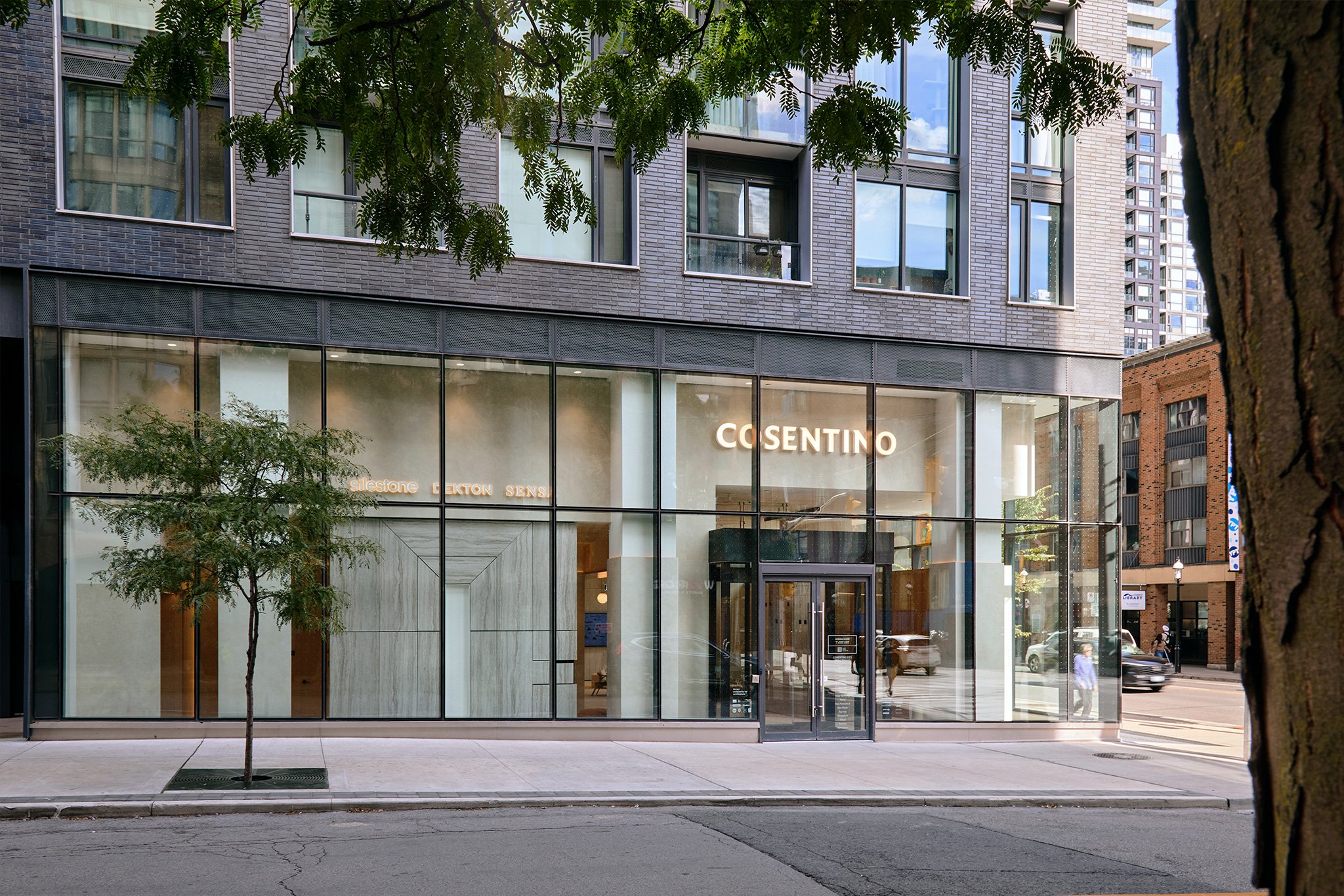
From the street, the Avant lounge chair faces you head-on in the showroom window. Step inside and you come at it from the back — the angle its designers treated as the defining one. From here the form shows its making: a curved back and structured overhanging arms, distinct sculptural parts resolving into one soft geometry. It trades on proportion, the play of shadow and the space the arms leave open. “We usually approach a chair from behind, so that’s an important view,” says Max Stjerna, who designed the piece with Malin Engvall at Note Design Studio. We’re in Copenhagen for 3 Days of Design, where Resident is launching the chair with the Stockholm studio, during their second outing here.

A fair like this is about catching up in person. For Resident (the New Zealand design house Scott Bridgens co-founded in Tāmaki Makaurau/Auckland), it gathers collaborators scattered across the world. “The community’s small once you’re in it,” says Scott, and three days in Copenhagen does what email can’t. They first ‘met’ the way many do now: Note used Resident’s Offset coffee table in a project, it appeared on Instagram, and a thank-you became a conversation. “It was as simple as that,” says Scott. Months of sorting through typologies followed before Avant emerged, the lounge chair last into the family and first out of it.

The base nearly didn’t make it. “When we designed it, we thought, this is probably not going to work, it’s super chunky,” says Malin. “And then all of a sudden, wait, something happened here.” The proportion that looked wrong became the one people came to appreciate, the lounge chair pulling ahead of the dining chair. Oversized, it also swivels, turning with whoever’s sitting in it. It carries a shape to the edge of too much and holds it there.
How Note arrives at a proportion this exacting is entirely physical. The team of four sketches together by hand, moves to the iPad, builds a paper model, jumps to 3D, then back to their hands. For Avant they built a full-scale cardboard mock-up, glued and layered, cut with a craft knife and taped to fake the give of upholstery. “Upholstered objects are difficult to prototype. We wanted to test the ergonomics, so the cardboard model was fully sittable,” says Max. A few of the studio’s architects weigh in too, as a review team. “As a product designer, it’s easy to picture the piece alone in a room under spotlights, when it’s actually got to live in the real world,” says Malin.

What they’re chasing is a reaction. Note talks about a “10 per cent ugly” rule, the point where a design splits the office, someone loving it, someone bristling. “We’d rather some people really don’t like it, if other people really do. It’s woken something,” says Max. Resident shares the sensibility. Their plainer test is whether they’d want the thing at home. The name Note comes from the same instinct: taking note of why a restaurant or bar made you feel the way it did — the light, the table, the music — then building it into an object.
None of it is quick, and Scott is candid about why. “Furniture has an incubation period, and it’s long. If you can accept that as a designer, it’s a good thing. You let it be born properly,” he says. There’s a factory in Asia to bring along, a vision to protect through every adjustment, and the comedy of working across hemispheres, the Friday evenings when someone forgets the time difference. Resident, designers for designers, has been unusually open about the messy middle rather than smoothing it over.

The finished chair in the window is the end of that incubation. Its name nods to avant-garde and the Italian avanti, meaning ‘forward’. Its next stop is a new furniture festival in Stockholm, the last turn in a piece that began as a green sketch on an iPad and grew, slowly, into itself.
resident.co.nz
Words Alice Lines
The post How the Avant lounge chair came together, between Stockholm and Aotearoa appeared first on Homestyle.