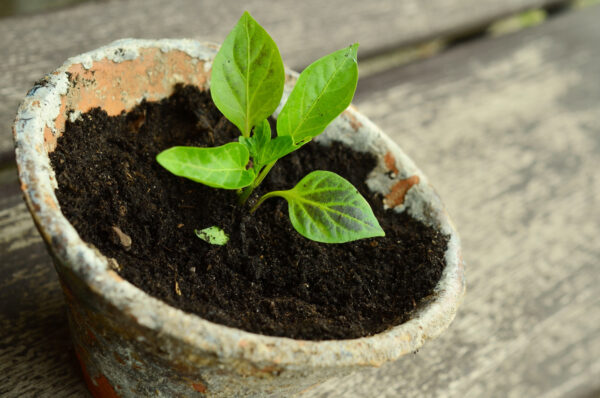
Transplanting plants is an essential part of plant care, ensuring they have enough space to grow and access to fresh, nutrient-rich soil. Whether your plant has outgrown its pot, the soil has lost its fertility, or you simply want to refresh its environment, knowing how to transplant properly is key to keeping your plants healthy and thriving.
This guide will walk you through the process of transplanting, from recognizing when it’s time to move your plant to post-transplant care. With the right techniques, you can help your plants transition smoothly and continue to flourish.
When to Transplant Plants
Root-Bound Plants: If the roots have completely taken over the pot, forming a dense network with little soil visible, it’s time to transplant.
Depleted Soil: When the soil no longer provides adequate nutrients, even after fertilizing, fresh soil is needed.
Seasonal Timing:
Spring: Most plants are best transplanted in early spring, just before their active growth period begins.
After Blooming: For flowering plants, wait until after they’ve finished blooming to avoid disrupting their growth cycle.
Exceptions: Plants like palm trees, which don’t go fully dormant, can be transplanted at any time except during flowering.
Choosing the Right Pot
Size: Select a pot that’s 1-2 inches larger in diameter than the current one. Avoid pots that are too large, as excess soil can retain too much moisture and lead to root rot.
Drainage: Ensure the new pot has drainage holes to prevent waterlogging.
Material: Choose between clay, ceramic, or plastic pots based on the plant’s needs. Clay pots are porous and great for plants that prefer drier soil, while plastic retains moisture better.
Step-by-Step Transplanting Process
Prepare the New Pot:
Add a layer of fresh, well-draining potting soil to the bottom of the new pot.
Use a soil mix appropriate for your plant type (e.g., cactus mix for succulents, orchid mix for orchids).
Remove the Plant:
Gently tap the sides of the current pot to loosen the soil and roots.
Carefully lift the plant out, holding the base of the stem or the root ball.
Inspect and Prune the Roots:
Check for damaged or rotting roots and trim them with clean scissors or pruning shears.
Loosen the root ball slightly to encourage new root growth.
Position the Plant:
Place the plant in the center of the new pot, ensuring it’s at the same depth as in the previous pot.
For bulbous plants like amaryllis or tulips, plant them shallowly or deeply depending on their growth habits.
Add Fresh Soil:
Fill in around the roots with fresh soil, gently pressing it down to eliminate air pockets.
Leave about an inch of space at the top of the pot for watering.
Water Thoroughly:
Water the plant until water drains out of the bottom of the pot. Use a fine sprayer to avoid disturbing the soil.
Ensure the plant is evenly moist but not waterlogged.
Post-Transplant Care
Light and Temperature:
Place the plant in a bright, warm spot, but avoid direct sunlight and drafts.
Gradually reintroduce it to its usual light conditions over a few days.
Watering:
Keep the soil consistently moist but not soggy.
Use a spray bottle to mist the plant if it prefers higher humidity.
Fertilizing:
Wait 4-6 weeks before fertilizing to allow the plant to adjust to its new environment.
Use a balanced, water-soluble fertilizer suitable for your plant type.
Monitoring:
Watch for signs of stress, such as wilting or yellowing leaves, and adjust care as needed.
New growth is a good indicator that the plant has successfully acclimated.
Special Considerations for Specific Plants
Frequent Transplanting: Plants like Tradescantia and Asparagus Sprengeri benefit from yearly transplanting to encourage lush growth.
Infrequent Transplanting: Plants like azaleas, camellias, and orchids prefer to be left undisturbed and only need transplanting every 2-3 years.
Bulbous Plants: Plant bulbs like tulips and hyacinths shallowly, ensuring the top of the bulb is just below the soil surface.
Common Mistakes to Avoid
Overpotting: Using a pot that’s too large can lead to water retention and root rot.
Disturbing Flowering Plants: Avoid transplanting plants while they’re in bloom, as this can stress them and affect their growth.
Poor Drainage: Always use pots with drainage holes and well-draining soil to prevent waterlogging.
By following these steps and tips, you can ensure a successful transplant and help your plants thrive in their new environment. Whether you’re a seasoned gardener or a beginner, transplanting is a rewarding process that keeps your plants healthy and vibrant.
The post How to Successfully Transplant Plants: A Step-by-Step Guide appeared first on Little Piece Of Me | Home Decor.