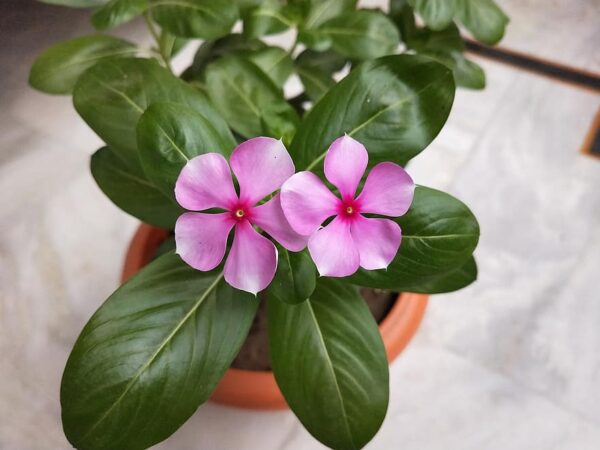
Cold weather can pose challenges for indoor plants, as temperature fluctuations and reduced light can stress them. With some thoughtful adjustments, you can help your plants thrive during colder months. Here’s an enhanced guide with practical tips:
1. Transition Plants Indoors
Action: Bring in any plants that are not cold-tolerant before temperatures drop significantly.
Reason: Indoor environments provide a more stable temperature, reducing the risk of cold damage.
Extra Tip: Inspect plants for pests before bringing them indoors to avoid introducing insects to your other plants. Clean them by removing any wilted or dead leaves and branches.
2. Adjust Lighting
Action: Position light-loving plants near south or east-facing windows where they can receive maximum sunlight.
Reason: Shorter daylight hours mean plants may struggle to photosynthesize adequately.
Extra Tip: Use grow lights if natural light is insufficient, especially for plants that need high-intensity light like succulents or citrus trees.
3. Modify Watering Habits
Action: Reduce watering frequency as most plants require less water during their dormant phase in winter.
Reason: Overwatering can lead to root rot due to slower evaporation in cooler and less sunny conditions.
Practical Tip: Use lukewarm water that has been allowed to reach room temperature to avoid shocking the roots. Check soil moisture levels with your fingers or a moisture meter before watering.
4. Regulate Humidity
Action: Increase indoor humidity levels to mimic plants’ natural environments.
Reason: Indoor heating often reduces humidity, which can dry out plants.
Practical Tip: Use a humidifier, place a tray of water with pebbles near your plants, or group plants together to create a localized microclimate.
5. Avoid Crowding
Action: Ensure that plants are spaced so their leaves and branches do not overlap.
Reason: Proper air circulation helps prevent mold and fungal growth, keeping plants healthier.
Extra Tip: Rotate plants occasionally so all sides receive light evenly.
6. Maintain Consistent Temperatures
Action: Keep plants away from cold drafts and heat sources like radiators or vents.
Reason: Sudden temperature changes can stress plants, causing leaf drop or slowed growth.
Practical Tip: Aim for a stable temperature between 60°F–75°F (15°C–24°C) for most indoor plants.
7. Fertilize Sparingly
Action: Hold off or significantly reduce fertilization.
Reason: Most plants grow slower in winter and do not require additional nutrients during dormancy.
Extra Tip: Resume feeding in spring when growth picks up.
By following these steps, you can ensure your indoor plants stay healthy and vibrant throughout the colder months. Adjusting your care routine to accommodate seasonal changes is key to their long-term well-being.
The post How to Help Indoor Plants Survive the Cold Period appeared first on Little Piece Of Me.