Raised among furniture with stories, Awayday founder Gloria Griffen has built a business around the thrill of the good find and the lasting value of pieces with a past.
When did you decide to make a business out of pre-loved? When I started Awayday, it was a creative project as much as anything — a way to keep expressing my passions while also navigating being a new mother. Matrescence shifted everything for me, and Awayday grew out of that season. I wanted to apply my skills and style of sourcing to a business that gave me the freedom to be present with my son. I built a curated consignment Facebook marketplace, and this year I launched The Listing Club, which is the first of its kind in Aotearoa, a service where I hand-select the best listings online and email them straight to you.

Looking back, how did your love of secondhand furniture and objects start? I grew up above my parents’ furniture store, Trees Company on Karangahape Road. My mother, Libby Lockhart, is one of my greatest muses, my encyclopaedia for all things furniture, and still the first person I call. I was surrounded by furniture and objects with stories, and it just got into my bones. Then, through my career in film and TV, my passion for secondhand hunting really took off. Sourcing for sets was never about perfection, always about judgement and your eye, what holds up, what tells the story. That’s the magic in secondhand — everything has already lived a life.

What made you think there was another way people could acquire pre-loved pieces? So much of what people are looking for already exists, but it’s just buried. Trade Me and Marketplace are full of incredible things, but finding them is exhausting and most people give up, settle for something not quite right, or worse, default to low-quality flatpack. There’s also the person who has something worth selling sitting at home but doesn’t want to take it to auction or deal with the listing, the messages, the back and forth. That’s the consignment side of Awayday; the piece stays with you until it sells. I wanted to be part of the solution, to make buying and selling secondhand feel as easy as browsing new.


What makes an object worthy of a second life? It comes down to the quality you can see and feel. Secondhand is about sustainability, yes, but it’s also the character, choosing something that has already proven itself. What matters
is that something is well-made and will outlast a trend. Patina is part of the story.


How do you realise that in your own home? Our home is constantly evolving, and I love that. We’ve made a lot of moves over the last few years, and what I’ve learnt is that the pieces that travel with you make a new space feel like home. There are things from my childhood, pieces my parents passed on, things I’ve found along the way. My son sleeps on the bed I slept on growing up. That kind of continuity is what I chase.

While out sourcing, are you hunting for anything in particular? My holy grail is anything interesting. New Zealand-made, good quality, something with shape and character. It doesn’t have to have a label, just something about it.
Tell us about The Listing Club — what gap was it designed to fill? Some of my friends scroll online for hours, not quite sure what to look for and they often give up. I had so many people asking me to find listings for them, and then I realised that this was a service that people needed. I created The Listing Club as a monthly subscription. It lives on Substack, so people subscribe, and then I send my best finds straight to their inbox.

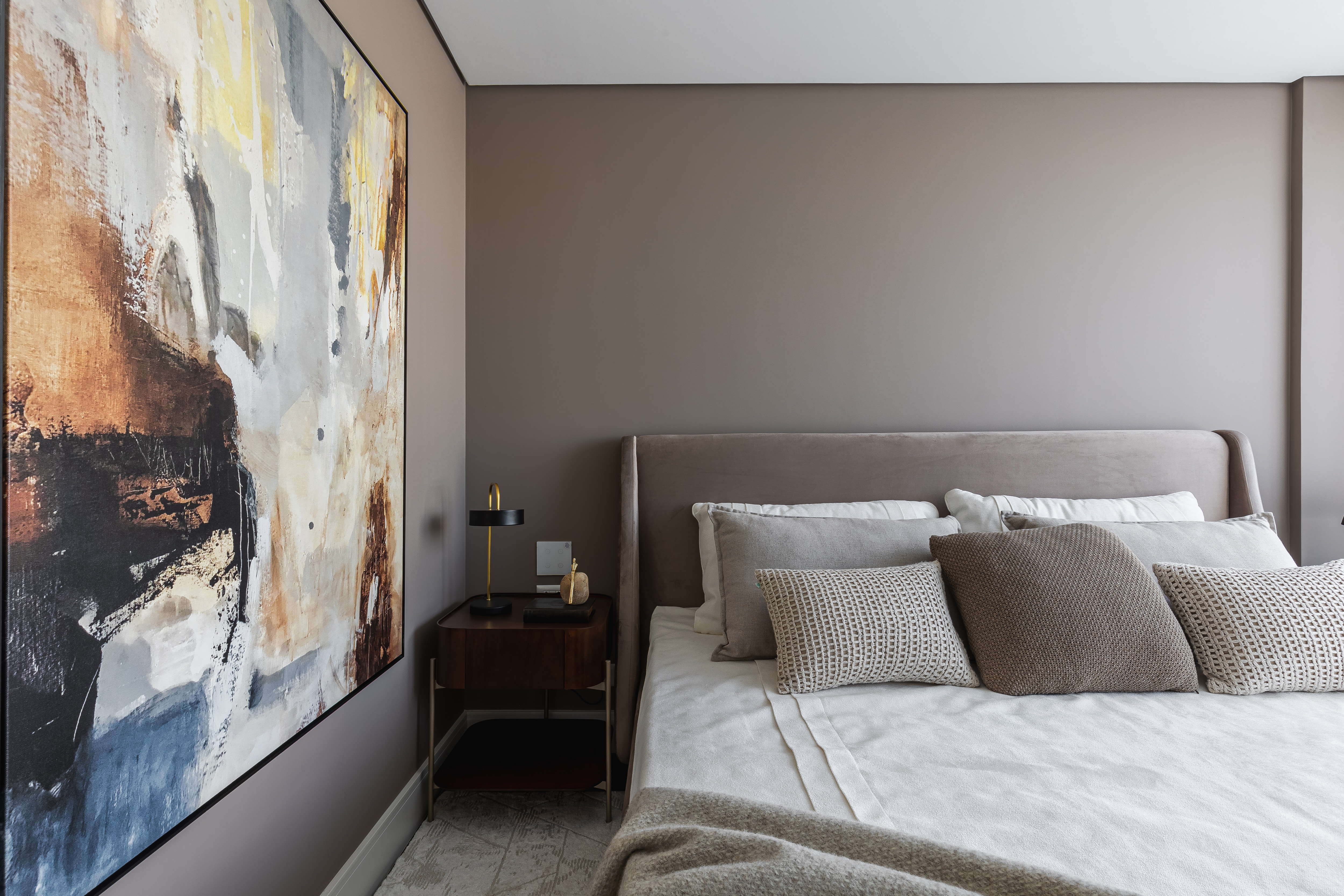
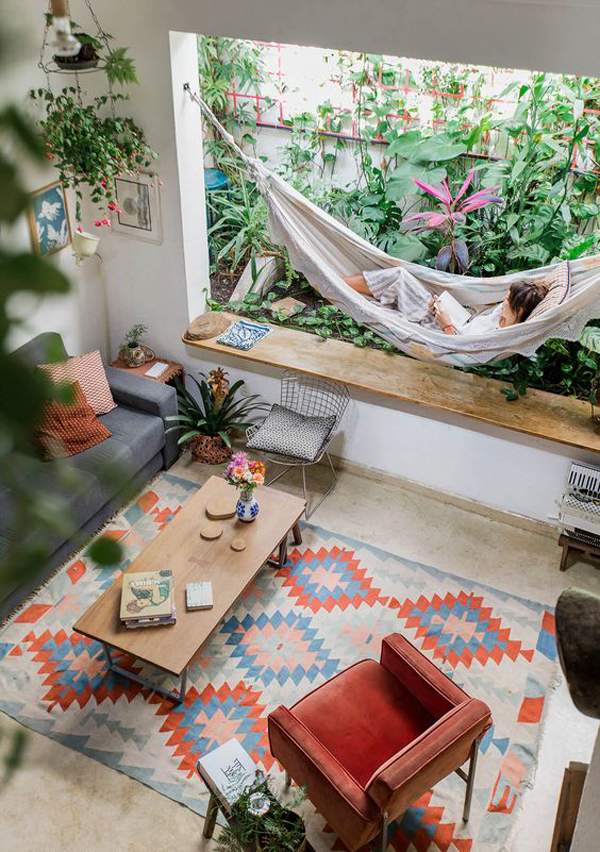
Is there a principle to follow when styling new and old pieces together? I think pre-loved and new need each other. New pieces can feel a bit soulless on their own, and too much vintage tips into kitsch territory. The mix is where the magic is. I think about how things talk to each other — their shape, weight and texture. Are there pieces with enough substance to ground the room and enough lightness to let it breathe? When it’s working, you stop noticing what’s new and what’s old. It just feels like somebody lives there.
If someone wants to curate their space with more vintage finds, where’s a good place to start? Start with one piece
you really love and build from there. Awayday is a good place to look first, at our online shop, or The Listing Club. It doesn’t have to be furniture straight away; art and lighting are great entry points, with low commitment but high impact on a room. An old poster reframed with a thick mat board and a thin frame can look a million dollars. Once you’ve got your eye in, start layering: a rug, a coffee table, cushions, throws, books. Don’t overthink the matching. It’s not about that. It’s about finding things with a bit of a story and letting them sit alongside what you already have.
Looking ahead, what are your hopes for Awayday in the future? More of what’s already happening. The community is growing, and the consignment side is building momentum. The bigger hope is that we become a go-to place people turn to — a warm, trusted hub where good pieces find the right homes. Furniture has its own fast-fashion problem, and I think people are waking up to it. I want Awayday to be part of that shift. Buying secondhand shouldn’t feel like a compromise. It should feel like a natural choice.
awayday.nz
Interview Alice Lines
Photography Ophelia Mikkelson Jones
The post Awayday’s Gloria Griffen on sourcing secondhand appeared first on Homestyle.